For over a decade, the kitchen has been my laboratory, particularly when it comes to the remarkable evolution of food blenders. From their humble beginnings as simple puréeing tools to today’s versatile powerhouses, these appliances have transformed how we approach cooking. Yet, amidst the excitement of creating creamy soups and sauces, a critical question often arises: “Can you put hot food in a blender?” The answer, while generally yes, comes with a significant caveat: safety. Blending hot food incorrectly can lead to dangerous pressure build-up, resulting in messy explosions and serious burns. This guide aims to demystify the process, offering you expert insights and practical advice to harness the full potential of your food blender safely and efficiently, turning culinary challenges into enjoyable experiences.
Overview of Food Blenders
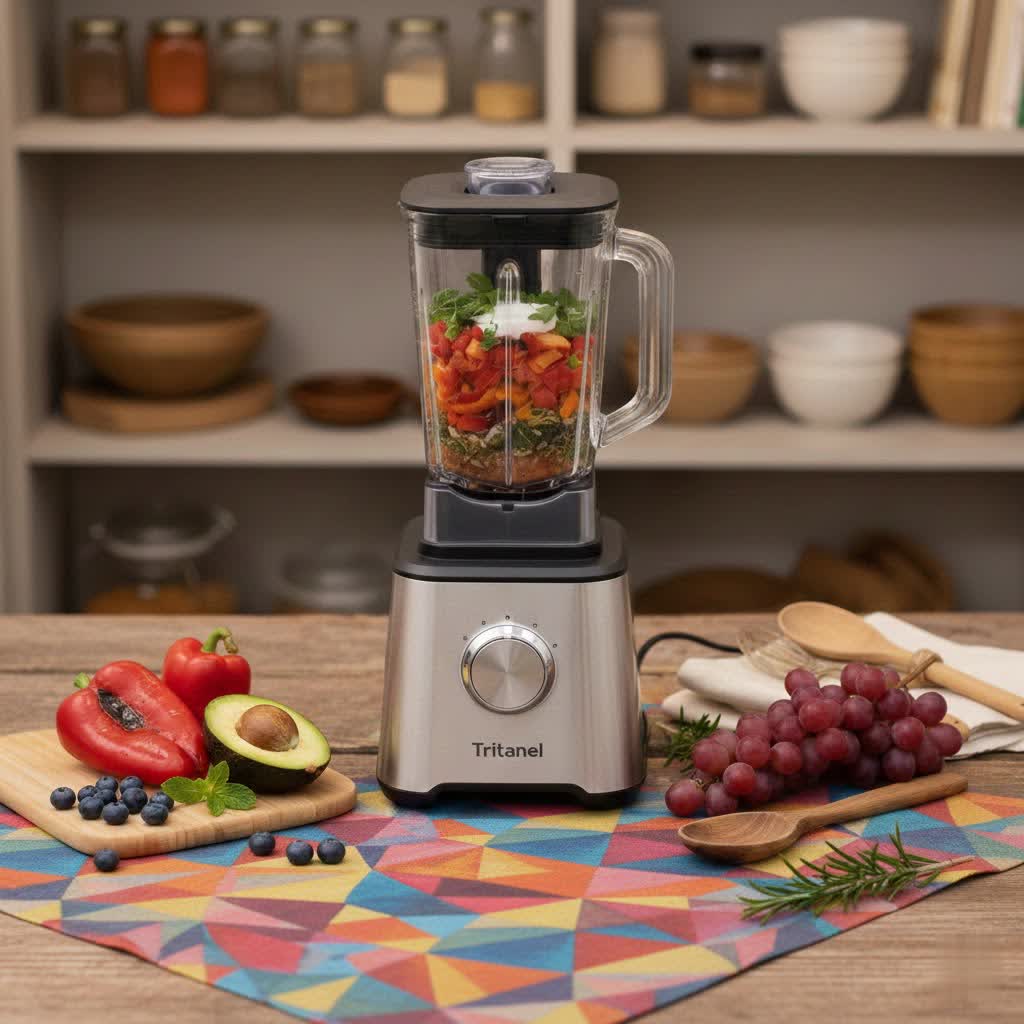
A food blender is an essential kitchen appliance designed to combine, liquefy, chop, purée, or emulsify food and other substances. At its core, it features a motor-driven spinning blade assembly at the bottom of a container. The container, often called a pitcher or jar, holds the ingredients, while a lid secures them during operation.
Historically, food blenders started as relatively simple machines, primarily used for milkshakes and fruit drinks. Over time, advancements in motor technology, blade design, and jar materials led to the development of more powerful and versatile models. Today, the market offers a wide array of types, broadly categorized into:
- Countertop Blenders: These are the most common type, featuring a robust base housing the motor and a large pitcher that sits on top. They are known for their power and capacity, suitable for everything from crushing ice to making nut butters and, with proper precautions, blending hot liquids.
- Immersion Blenders (Stick Blenders): Handheld and compact, these blenders feature a motor in the handle and blades at the bottom of a shaft. They are designed to be submerged directly into a pot or bowl, making them ideal for blending soups, sauces, and gravies directly on the stovetop, reducing the need for transferring hot ingredients.
- Personal Blenders: Smaller and designed for single-servings, these blenders often come with travel cups that double as blending jars. While excellent for smoothies and protein shakes, their limited capacity and design make them less suitable for hot liquids unless explicitly stated by the manufacturer.
The evolution of the food blender reflects a continuous drive towards greater convenience, efficiency, and versatility in the modern kitchen, pushing boundaries from basic mixing to sophisticated food preparation.
Benefits of Using a Food Blender
Incorporating a food blender into your culinary routine brings a multitude of advantages, revolutionizing how you prepare meals and expanding your gastronomic horizons.
Firstly, a food blender is a remarkable time and effort saver in food preparation. Imagine effortlessly transforming chunky vegetables into a silky-smooth soup in minutes, or whipping up a vibrant sauce without tedious chopping and stirring. The powerful blades and efficient motors drastically cut down on manual labor, allowing you to focus on the creative aspects of cooking. For busy individuals or families, this efficiency is invaluable, helping to put healthy, homemade meals on the table even on the most hectic days.
Secondly, food blenders diversify your menu with an impressive array of dishes and beverages. They are not just for smoothies; they unlock a world of culinary possibilities. Craft gourmet puréed soups like creamy tomato or butternut squash, prepare rich and smooth sauces for pasta or meats, create healthy baby food, or even make homemade nut milks and butters. The ability to achieve varying textures, from chunky salsas to velvety smooth custards, means you’re limited only by your imagination.
Furthermore, using a food blender can significantly enhance your health by facilitating the consumption of fresh, wholesome ingredients. By making it easy to incorporate more fruits and vegetables into your diet through smoothies, soups, and purées, you naturally boost your intake of vitamins, minerals, and fiber. This direct processing of fresh produce ensures you avoid preservatives and artificial additives often found in store-bought alternatives, promoting a cleaner, more nutritious eating habit.
For example, a robust food blender can turn a simple collection of roasted vegetables and broth into a comforting, nutritious hot soup. It can also transform raw nuts into creamy, dairy-free milk alternatives or make a nutrient-dense green smoothie to kickstart your day. With a food blender, preparing fresh, delicious, and healthy meals becomes an accessible and enjoyable part of your lifestyle.
Key Criteria for Choosing a Food Blender
Selecting the right food blender is crucial, especially if you plan to tackle hot foods. Several factors come into play that dictate performance, safety, and durability.
Power and Speed
|
Our Picks for the Best Food Blender in 2026
As an Amazon Associate I earn from qualifying purchases.
|
||
| Num | Product | Action |
|---|---|---|
| 1 | Vitamix Ascent X5 Blender with 10 Blending Programs, Self-Cleaning Program, Professional-Grade Blender for Smoothies, Soups and More, Stainless-Steel Blades, 48 Oz Container, Brushed Stainless |

|
| 2 | Turelar Immersion Blender Handheld Corded Hand Blenders Set 1100W, Trigger Variable Speed 5 in 1 Stick Emulsifier with Chopper, Whisk and Frother for Soup, Baby Food and Smoothies |
|
| 3 | Ninja Fit Compact Personal Blender, Portable Blender for-Smoothies, Shakes, Food Prep, and Frozen Blending, 700-Watt Base, (2) 16-oz. Cups and Spout Lids, Black QB3001SS |
|
| 4 | Hamilton Beach Power Elite Wave Action Blender For Smoothies, 40 Oz Glass Jar, 12 Functions Including Puree, Crush Ice, 700 Watts - Black (58148A) |
|
| 5 | Ninja Professional Blender 1000W, Total Crushing Technology- Smoothies, Ice Crushing & Frozen Fruit, Full-Size Countertop Blender, 72-oz. Pitcher, Black & Grey, BL610 |
|
| 6 | BLACK+DECKER Countertop Blender with 6-Cup Glass Jar, 10-Speed Settings, Black, BL2010BG |
|
| 7 | Vitamix Explorian E310 Blender, Professional-Grade Kitchen Blender for Smoothies, Soups, Juices and More, 10-Speed, Stainless Steel Blades, Self-Cleaning Kitchen Appliance, 48 Oz Container, Black |
|
| 8 | Ninja Mega Kitchen System, 1500W, 72 oz. Full-Size Blender & 8-Cup Food Processor with (2) 16 oz. Cups , Black, BL770 |
|
| 9 | Countertop Blender, 2000W High-Power Smoothie Blender with 68oz BPA-Free Jar, 28,000 RPM, Variable Speed & Pulse, 8-Blade Stainless Steel, Tamper Included, Quick Self-Cleaning, Dishwasher-Safe Jar |
|
| 10 | BLACK+DECKER PowerCrush Multi-Function Blender with 6-Cup Glass Jar, 4 Speed Settings, Silver |
|
The power (wattage) and speed settings of a food blender are paramount. A higher wattage typically indicates a more powerful motor, capable of blending tougher ingredients like ice, frozen fruits, and fibrous vegetables without strain. For hot foods, a powerful motor is beneficial because it efficiently processes ingredients, reducing the time hot liquids spend in the blender and minimizing steam build-up. High-end blenders like Vitamix and Blendtec are renowned for their robust motors, which can even generate enough friction to heat cold ingredients into hot soup in minutes. Look for blenders with variable speed controls or pre-set programs, as starting on a low speed is a critical safety measure when blending hot liquids.
Jar Material
The material of the blender jar impacts both safety and longevity. Common choices include:
- Glass: Offers scratch resistance and doesn’t absorb odors or stains. However, it’s heavier and more prone to breaking if dropped or subjected to extreme temperature changes (thermal shock). If you prefer glass for hot liquids, look for models specifically designed with thermal shock-resistant glass.
- Plastic (Tritan, BPA-free): Lightweight, shatter-resistant, and generally more durable than glass. High-quality plastics like Tritan are BPA-free and resistant to odors and stains. Many modern blenders designed for hot liquids utilize these types of plastic due to their resilience and ability to handle temperature fluctuations without shattering. It’s an excellent choice for safety and everyday use.
Blades
The material and design of the blades are fundamental to a blender’s performance. Most quality blenders feature stainless steel blades, which are durable and resistant to corrosion. Some high-performance blenders may use titanium-coated blades for enhanced sharpness and longevity. The design of the blade assembly, including the number of blades and their angles, significantly affects blending efficiency, ensuring ingredients are drawn into the vortex and processed evenly. For hot liquids, sharp, well-designed blades ensure a smooth purée with minimal effort.
Capacity
The capacity of the blender jar should align with your typical usage. For individual servings like smoothies, a personal blender with a 16-24 ounce cup might suffice. However, for blending hot soups and sauces for a family, a countertop blender with a 48-64 ounce (1.5-2 liter) pitcher is more practical. When blending hot foods, remember the crucial safety guideline: never fill the jar more than halfway. Therefore, if you frequently prepare large batches of hot soup, a larger capacity blender will allow you to blend more per batch, though still requiring multiple batches for very large quantities.
Additional Features
Modern food blenders come with a range of features that can enhance convenience and safety:
- Vented Lids: Crucial for blending hot liquids, vented lids allow steam to escape, preventing pressure build-up. Many lids have a removable center cap that serves this purpose. Some advanced blenders, like newer Blendtec models, feature specially designed lids that vent steam without needing to remove the center part.
- Pre-set Programs: Specific settings for smoothies, ice crushing, or soup-making (which might involve heating by friction) can simplify operation and ensure optimal results.
- Safety Features: Automatic shut-off for overheating, secure jar locking mechanisms, and non-slip bases contribute to a safer blending experience.
- Easy Cleaning: Dishwasher-safe parts or self-cleaning functions (where you blend soap and water) can significantly ease maintenance.
Brands and Price
Investing in a reputable brand often means better quality, durability, and customer support. For blenders capable of handling hot liquids effectively, brands like Vitamix, Blendtec, and Ninja are consistently highly rated. While these high-performance blenders typically come with a higher price tag, their power, versatility, and longevity often justify the investment, especially if you plan frequent use. More affordable options from brands like Oster and Hamilton Beach can also offer good performance for basic hot liquid blending, provided you follow safety guidelines rigorously. Consider your budget and frequency of use when determining the appropriate price segment.
Comparison of Popular Food Blenders
Choosing the perfect food blender, especially when hot liquids are a consideration, involves weighing different models against your specific needs. Here’s a comparison of popular blenders and their suitability for hot food applications:
| Feature/Blender | Vitamix (e.g., E310 Explorian) | Blendtec (e.g., Classic 575) | Ninja Foodi (e.g., Hot & Cold Blender) | Immersion Blenders (e.g., KitchenAid) |
|---|---|---|---|---|
| Power (Watts) | 1200-1440 W (2-2.2 HP) | 1560 W (3 HP) | 1000-1400 W | 200-300 W |
| Jar Material | BPA-free Tritan plastic | BPA-free Tritan plastic | High-quality glass or BPA-free plastic | Stainless steel shaft |
| Hot Liquid Handling | Excellent; can heat cold ingredients via friction. Vented lid. | Excellent; can heat cold ingredients via friction. Special vented lid. | Excellent; often has dedicated hot blend programs/heating element. | Excellent; blends directly in pot. Blades must be submerged. |
| Capacity | Typically 48-64 oz | Typically 75-90 oz | Varies, often 64 oz | Blends in existing pots/bowls |
| Key Advantage | Unparalleled smoothness, durability, friction heating. | Extreme power, unique jar design, friction heating. | Versatility, specific hot programs, often more budget-friendly. | Convenience, minimal cleanup, direct blending. |
| Considerations | Premium price, can be loud. | Premium price, can be loud. | Specific models needed for hot; some plastic jars may not be ideal. | Less powerful for very thick blends, splatter risk if not submerged. |
| Best For | Serious home cooks, health enthusiasts, smooth hot soups. | High-volume users, commercial-grade blending, very thick hot blends. | Everyday users wanting hot soups, versatility for various hot/cold tasks. | Quick hot soup puréeing, sauces, gravies; minimal transfer. |
Top 5 Food Blenders for Hot Food Enthusiasts
For those who frequently prepare hot soups, sauces, or even wish to create hot dishes from scratch in their blender, selecting the right model is paramount. Here are five highly-regarded food blenders that excel with hot ingredients:
-
Vitamix E310 Explorian Blender:
- Overview: A top-tier professional-grade blender, the E310 Explorian offers Vitamix’s legendary power and durability at a more accessible price point. Its 2.0 HP motor and aircraft-grade stainless steel blades effortlessly pulverize ingredients.
- Hot Food Performance: Exceptional. It can handle boiling hot liquids with ease, though proper venting is required. More remarkably, its powerful friction blending can take cold ingredients and heat them into steaming hot soup in about 5-6 minutes. The vented lid ensures safe steam release.
- Pros: Unbeatable blending performance, incredibly smooth results, highly durable, capable of friction heating.
- Cons: Higher price point, can be loud at high speeds.
- Ideal User: Serious home cooks, health-conscious individuals, those who frequently make hot soups and sauces from scratch.
-
Blendtec Classic 575 Blender:
- Overview: Known for its raw power and unique blunt safety blade design, Blendtec blenders are workhorses. The Classic 575 offers a formidable 3.0 peak horsepower motor and pre-programmed cycles.
- Hot Food Performance: Excellent. Like Vitamix, it can heat cold ingredients to hot soup purely through friction. Blendtec blenders often come with special vented lids designed for safe hot liquid blending, preventing pressure build-up effectively.
- Pros: Extremely powerful, durable, unique blunt blade (no sharp edges to cut yourself on), friction heating capability.
- Cons: Premium price, can be very loud, somewhat larger footprint.
- Ideal User: Users seeking extreme power and durability for all blending tasks, including tough, hot ingredients.
-
Ninja Foodi Hot & Cold Blender (HB152):
- Overview: This Ninja model is specifically designed with both hot and cold functions in mind, often featuring a built-in heating element. It combines Ninja’s powerful blending capabilities with integrated cooking functions.
- Hot Food Performance: Very good, and particularly convenient due to its dedicated heating element. You can sauté ingredients directly in the pitcher, then blend and cook your soup all in one container. It takes the guesswork out of temperature management.
- Pros: Dedicated hot programs, integrated heating element for cooking, powerful blending for smooth results, often more budget-friendly than Vitamix/Blendtec.
- Cons: Jar may be heavier due to heating element, not all Ninja models are designed for hot liquids.
- Ideal User: Those who want a versatile blender that can also cook, perfect for one-pot hot soups and sauces.
-
Breville The Fresh & Furious Blender:
- Overview: A well-designed, mid-range option, the Breville Fresh & Furious strikes a balance between power, features, and aesthetics. Its surgical-grade stainless steel blades and high-torque motor handle various tasks.
- Hot Food Performance: Good. It efficiently blends hot liquids and soups, especially with its intelligent blade system. The BPA-free Tritan pitcher is robust for handling temperature changes, and its lid provides a secure fit.
- Pros: Stylish design, quieter operation compared to some high-end blenders, good performance for the price, durable jar.
- Cons: Not as powerful as Vitamix/Blendtec for friction heating.
- Ideal User: Home cooks looking for a reliable, aesthetically pleasing blender that performs well with hot and cold liquids without a top-tier price tag.
-
All-Clad Immersion Blender (Stainless Steel):
- Overview: While not a countertop blender, a high-quality immersion blender is indispensable for hot food blending. All-Clad’s model is robust, with a powerful motor and durable stainless steel shaft.
- Hot Food Performance: Excellent for specific applications. It allows you to blend hot soups, sauces, and gravies directly in the cooking pot, minimizing transfer and cleanup. This eliminates the pressure build-up risk associated with sealed countertop blenders.
- Pros: Blends directly in the pot (no transfer needed), easy cleanup, compact storage, highly versatile for various tasks beyond hot liquids.
- Cons: Requires manual holding, not ideal for very large batches or super-fine purées compared to high-speed countertop models.
- Ideal User: Anyone who regularly makes hot soups and sauces and values convenience and easy cleanup, especially in smaller quantities.
These blenders represent a range of options, each bringing unique strengths to the table for safely and effectively handling hot food.
How to Use and Maintain Your Food Blender Correctly
Using your food blender effectively and safely, especially with hot foods, requires adherence to specific guidelines. Proper maintenance will also extend the life of your appliance.
Using Hot Food in Countertop Blenders (Safety First!)
Blending hot food, particularly hot liquids like soup, can be dangerous due to steam pressure buildup. Always exercise extreme caution.
- Allow to Cool Slightly: Never blend boiling or near-boiling liquids. Let your hot food cool for at least 5-10 minutes. This reduces the initial steam production and potential for pressure. Your blender manual may specify a maximum safe temperature.
- Do Not Overfill: This is the most critical step. Fill the blender jar only one-third to one-half full with hot liquid. Overfilling leaves no room for expansion, leading to dangerous pressure. If you have a large batch, blend in smaller portions.
- Vent the Lid: Most blender lids have a removable center cap (sometimes called a feeder cap, stopper, or plug). Remove this cap before blending hot liquids. This opening is crucial for allowing steam to escape and preventing pressure from building up.
- Cover with a Kitchen Towel: Once the center cap is removed, place a clean, folded kitchen towel securely over the opening and the rest of the lid. The towel acts as a splash guard, catching any hot liquid that might escape while still allowing steam to vent through its fibers.
- Hold the Lid Firmly: With one hand, firmly hold the lid (and the towel) down onto the blender jar. This prevents the lid from being forced off by any remaining pressure or the blending action itself.
- Start on the Lowest Speed: Begin blending on the absolute lowest speed setting. Gradually increase the speed as needed. Starting slow prevents the hot liquid from instantly surging upwards and potentially dislodging the lid or splashing out.
- Blend in Batches: For larger quantities, blend in multiple small batches, pouring the puréed contents into a separate heat-safe bowl or pot before adding the next batch to the blender.
- Stay Clear: Keep your face and bare skin away from the top of the blender, especially when blending hot liquids, to avoid steam burns or splashes. Consider wearing an apron and oven mitts for added protection.
Using Immersion Blenders with Hot Food
Immersion blenders offer a safer alternative for hot liquids as they blend directly in the pot, eliminating the need for transfers and sealed containers.
- Ensure Blades are Fully Submerged: Always immerse the blending head completely into the hot liquid before turning it on. If the blades are not fully submerged, they will splatter hot liquid outwards.
- Choose the Right Pot: Use a pot that is deep enough to cover the immersion blender’s head. If the liquid level is too low, transfer to a narrower, deeper container.
- Keep the Head Horizontal: Maintain the immersion blender head as horizontal as possible at the bottom of the pot to minimize splashing. Avoid tilting it excessively.
- Start Slowly and Move Gently: Begin on a low speed setting. Move the blender up and down slowly through the liquid to ensure even blending without creating excessive air pockets or splashes.
- Cool Slightly (Optional but Recommended): While immersion blenders can handle hot liquids, letting very hot or boiling liquids cool for a few minutes can still reduce steam and potential for minor splashes.
Cleaning and Maintenance
Proper care ensures your food blender remains hygienic and functions optimally for years.
- Immediate Cleaning: Clean your blender immediately after each use. Food particles can dry and become difficult to remove.
- Self-Cleaning Method (Countertop Blenders): For most countertop blenders, fill the jar halfway with warm water and a drop of dish soap. Secure the lid (with vent cap in place for normal cleaning) and blend on medium speed for 30-60 seconds. Rinse thoroughly.
- Manual Washing: For tougher messes or when a self-clean isn’t enough, disassemble the jar, lid, and blade assembly (if removable) and wash by hand with warm, soapy water. Use a brush to clean around the blades carefully.
- Immersion Blender Cleaning: Wipe the shaft and blade assembly immediately after use. You can also run the blade end in a cup of soapy water for a few seconds, then rinse. Do not submerge the motor unit in water.
- Drying: Ensure all parts are thoroughly dry before reassembling or storing to prevent mold or mildew growth.
- Motor Base: Wipe the motor base with a damp cloth. Never immerse it in water.
- Blade Care: Be cautious with blades; they are sharp. If your blender has a removable blade assembly, ensure it’s securely fastened when reassembling.
Common Issues and Troubleshooting
- Blender Not Turning On: Check if it’s properly plugged in, the jar is correctly seated on the base, and the lid is secured (some blenders have safety interlocks).
- Burning Smell from Motor: This usually indicates overheating. Turn off the blender, unplug it, and let the motor cool down. Reduce the load or blend in smaller batches.
- Leaking Jar: Ensure the blade assembly (if removable) is tightly screwed onto the jar and the gasket is correctly seated. Check for cracks in the jar.
- Inconsistent Blending: Add more liquid if blending thick mixtures. Cut ingredients into smaller, more uniform pieces. Use the tamper (if provided) to push ingredients towards the blades.
By following these safety guidelines and maintenance tips, you can confidently and efficiently use your food blender for all your culinary needs, including the creation of delicious hot foods.
Conclusion
The food blender is an invaluable ally in the modern kitchen, capable of transforming raw ingredients into a symphony of textures and flavors. From the convenience of daily smoothies to the elegance of gourmet puréed soups, its versatility is undeniable. However, the art of blending hot food requires a deep understanding of safety protocols to prevent accidents and ensure a smooth, enjoyable culinary journey.
As we’ve explored, the key to safely blending hot liquids lies in managing steam pressure: never overfilling the jar, venting the lid, covering it with a towel, and starting at the lowest speed. Immersion blenders offer a fantastic alternative, allowing direct blending in the pot and minimizing transfer risks. Investing in a quality food blender, especially models known for their robust motors and durable construction from brands like Vitamix, Blendtec, or Ninja, can significantly enhance your experience and peace of mind.
Ultimately, choosing the right food blender and mastering its safe operation empowers you to expand your culinary repertoire, save time, and embrace healthier eating habits. So, confidently blend, experiment, and savor the delicious possibilities.
What hot dish will you create with your food blender next?
Frequently Asked Questions
Can any food blender handle hot liquids?
No, not all food blenders are designed to handle hot liquids safely. Personal blenders or those with lower-quality plastic jars may struggle with high temperatures and pressure. Always check your blender’s manual for specific temperature guidelines and recommended procedures for hot liquids to ensure safety.
Why does hot food explode in a blender?
Hot food, especially liquids, creates steam when blended. In an enclosed blender jar, this steam builds up pressure. If there’s no way for the pressure to escape (e.g., a vented lid), it can force the lid off, causing the hot contents to explode outwards, leading to burns and a significant mess.
Is an immersion blender safer for hot soup than a countertop blender?
Generally, yes, an immersion blender is considered safer for hot soups because it blends directly in the cooking pot, eliminating the need to transfer hot liquid and avoiding the sealed pressure environment of a countertop blender. However, you must ensure the blades are fully submerged to prevent splashing.
Can I put boiling water in a blender?
You should never put boiling water or liquids directly into a blender. It’s crucial to let hot liquids cool down for several minutes (to at least below boiling point) before blending. Always follow the manufacturer’s maximum temperature recommendations to prevent damage to the blender and ensure user safety.
How full should I fill a blender with hot ingredients?
When blending hot ingredients, it is critical to fill the blender jar no more than one-third to one-half full. This provides ample space for steam expansion and helps prevent dangerous pressure buildup that could dislodge the lid or cause an explosion.
What are some common mistakes when blending hot food?
Common mistakes include overfilling the blender jar, failing to remove the center cap from the lid, blending liquids that are still boiling, and starting the blender on a high speed. These errors can all lead to severe burns and kitchen accidents.
Can blenders heat food from cold ingredients?
Yes, some high-performance blenders, such as certain Vitamix and Blendtec models, have motors powerful enough to generate significant friction. This friction can heat cold ingredients into a steaming hot soup or sauce in just a few minutes of continuous blending.
