Are you tired of cluttered countertops overflowing with single-purpose kitchen gadgets? In today’s fast-paced world, efficiency and versatility are paramount, especially in the heart of your home. Imagine a single appliance that could whip up a silky-smooth smoothie, finely chop vegetables for a hearty stew, and even knead dough for freshly baked bread. This dream is a reality with an all-in-one mixer, blender, and food processor combo, a kitchen marvel designed to simplify your culinary life. We’ll delve into the remarkable benefits, essential features, and top models to help you discover the perfect multi-functional companion for your kitchen.
What is an All-in-One Mixer, Blender, and Food Processor?
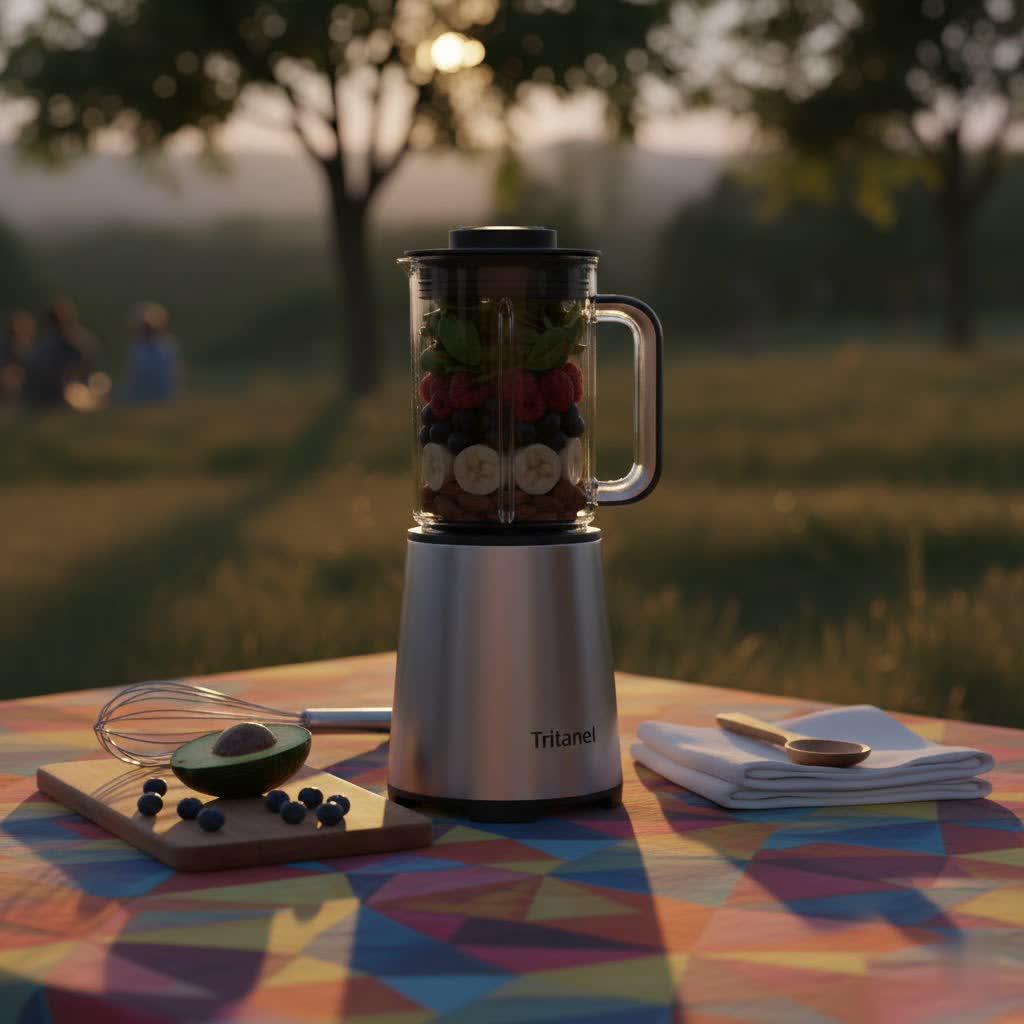
An all-in-one mixer, blender, and food processor is a multi-functional kitchen appliance engineered to consolidate the capabilities of several distinct tools into a single, compact unit. At its core, it features a powerful motor base onto which various interchangeable attachments are mounted. These typically include a tall blender pitcher for liquids and purees, and a wider food processor bowl equipped with different blades and discs for chopping, slicing, shredding, and sometimes kneading. Some advanced systems also integrate whisking or mixing functionalities, truly earning the “all-in-one” moniker.
Historically, kitchens relied on separate blenders for liquid-based tasks and food processors for solid ingredient preparation. The evolution of these appliances saw manufacturers combining these functions, driven by the desire for space-saving solutions and enhanced convenience. Modern all-in-one systems aim to provide robust performance across a spectrum of culinary tasks, offering a streamlined approach to meal preparation that fits the demands of contemporary living.
The Transformative Benefits of a Multi-Functional Kitchen Appliance
Investing in an all-in-one kitchen system extends far beyond mere convenience; it revolutionizes your cooking experience by offering numerous practical advantages.
Reclaim Your Countertop Space
|
Our Picks for the Best Food Blender in 2026
As an Amazon Associate I earn from qualifying purchases.
|
||
| Num | Product | Action |
|---|---|---|
| 1 | Vitamix Ascent X5 Blender with 10 Blending Programs, Self-Cleaning Program, Professional-Grade Blender for Smoothies, Soups and More, Stainless-Steel Blades, 48 Oz Container, Brushed Stainless |

|
| 2 | Countertop Blender, 2000W High-Power Smoothie Blender with 68oz BPA-Free Jar, 28,000 RPM, Variable Speed & Pulse, 8-Blade Stainless Steel, Tamper Included, Quick Self-Cleaning, Dishwasher-Safe Jar |
|
| 3 | BLACK+DECKER Countertop Blender with 6-Cup Glass Jar, 10-Speed Settings, Black, BL2010BG |
|
| 4 | Hamilton Beach Power Elite Wave Action Blender For Smoothies, 40 Oz Glass Jar, 12 Functions Including Puree, Crush Ice, 700 Watts - Black (58148A) |
|
| 5 | Vitamix Explorian E310 Blender, Professional-Grade Kitchen Blender for Smoothies, Soups, Juices and More, 10-Speed, Stainless Steel Blades, Self-Cleaning Kitchen Appliance, 48 Oz Container, Black |
|
| 6 | Ninja Fit Compact Personal Blender, Portable Blender for-Smoothies, Shakes, Food Prep, and Frozen Blending, 700-Watt Base, (2) 16-oz. Cups and Spout Lids, Black QB3001SS |
|
| 7 | BLACK+DECKER PowerCrush Multi-Function Blender with 6-Cup Glass Jar, 4 Speed Settings, Silver |
|
| 8 | Turelar Immersion Blender Handheld Corded Hand Blenders Set 1100W, Trigger Variable Speed 5 in 1 Stick Emulsifier with Chopper, Whisk and Frother for Soup, Baby Food and Smoothies |
|
| 9 | Ninja Professional Blender 1000W, Total Crushing Technology- Smoothies, Ice Crushing & Frozen Fruit, Full-Size Countertop Blender, 72-oz. Pitcher, Black & Grey, BL610 |
|
| 10 | Ninja Mega Kitchen System, 1500W, 72 oz. Full-Size Blender & 8-Cup Food Processor with (2) 16 oz. Cups , Black, BL770 |
|
One of the most immediate and appreciated benefits is the significant reduction in kitchen clutter. With over 60% of home cooks citing counter space as their biggest organizational challenge, these combos are game-changers. By merging two or three appliances into one motor base, you free up valuable real estate, making your kitchen feel more organized and spacious.
Streamline Meal Preparation
Imagine switching seamlessly from blending your morning smoothie to chopping vegetables for dinner without reaching for a different machine. These versatile workhorses allow for quick transitions between tasks, saving precious time during busy meal prep sessions. This efficiency encourages more home cooking, making healthy eating habits easier to maintain.
Cost-Effective Culinary Power
Acquiring separate, high-quality blenders, food processors, and mixers can be a substantial investment. All-in-one systems often provide a more budget-friendly solution, offering multiple functionalities for a fraction of the cost of individual appliances. You’ll likely spend less compared to buying individual machines.
Expand Your Culinary Horizons
With a diverse range of attachments, these systems enable you to tackle an impressive array of recipes. From blending nutrient-rich smoothies, creamy soups, and vibrant sauces to precisely chopping herbs, slicing vegetables, grating cheese, and even kneading dough, your culinary possibilities expand dramatically. This versatility empowers you to experiment and diversify your daily menu.
Enhance Nutritional Value
Preparing food from scratch with fresh ingredients is a cornerstone of healthy eating. An all-in-one appliance supports this by making it easier to process whole foods, preserve nutrients, and avoid the additives often found in pre-packaged alternatives. You can create homemade versions of ultra-processed foods, like preservative-free hummus or mayonnaise, or grate cheese free from added binding chemicals.
Essential Buying Guide: How to Choose Your All-in-One Kitchen Workhorse
Selecting the right all-in-one mixer, blender, and food processor requires careful consideration of several key features to ensure it meets your specific culinary needs.
Power and Performance (Wattage)
The motor’s wattage is a crucial indicator of an appliance’s capability. For efficient processing of tough ingredients like ice, frozen fruits, or hard vegetables, look for a motor with at least 1000 watts. Many top-rated models range from 1000W to 1500W, ensuring they can handle demanding tasks without overheating or struggling. Variable speed settings and a pulse function are also vital, offering precise control over texture, from coarse chops to fine purees.
Versatility and Attachments
A truly versatile system comes with a comprehensive set of attachments.
- Blender Pitcher: Consider capacity based on your household size. Look for BPA-free plastic, Tritan, or glass for durability and safety.
- Food Processor Bowl: Capacity is also important here, typically ranging from 2 cups for small tasks to 12-14 cups for larger batches.
- Blades and Discs: High-quality stainless steel blades are a must for effective chopping, slicing, shredding, and grinding. Some systems include specialized dough blades, whisks, or single-serve cups for on-the-go drinks.
Material and Durability
The construction materials directly impact the appliance’s lifespan and safety. BPA-free plastic, Tritan, or glass are excellent choices for containers due to their durability and resistance to odors and stains. Blades made from high-grade stainless steel or titanium ensure longevity and sharp performance. A sturdy motor base and a good warranty indicate a manufacturer’s confidence in their product’s build quality.
Ease of Use and Cleaning
An appliance designed for frequent use should be intuitive. Look for clear controls, and consider models with preset programs (like “smoothie” or “crush ice”) that eliminate guesswork. Easy cleaning is non-negotiable; dishwasher-safe components—including lids, blades, and blending cups—will save you considerable time and effort. Always remember to wipe down the motor base with a damp cloth, never submerge it in water.
Size, Noise, and Storage
Consider the footprint of the appliance on your countertop and available storage space for attachments. Some models are compact, while others, particularly those with large capacities and numerous accessories, require more room. Noise levels can vary dramatically; if you’re an early riser or live in close quarters, a quieter model might be a priority.
Brand Reputation and Budget
Reputable brands like Ninja, Vitamix, Nutribullet, Cuisinart, Magimix, and Hamilton Beach are frequently praised for their performance and reliability. While prices typically range from $200 to $600, higher-end or professional-grade systems can exceed this. Balance cost with value, as a cheaper model that struggles or breaks quickly may not be a true saving in the long run.
Navigating the Nuances: Blender vs. Food Processor in a Combo
While “all-in-one” systems are incredibly versatile, it’s important to understand the inherent differences between a dedicated blender and a dedicated food processor, and how combos navigate this.
Blenders, with their tall, narrow pitchers and fast-spinning fixed blades, excel at processing liquid ingredients, creating smooth textures for smoothies, soups, and sauces. They can micronize fruits and vegetables to extract maximum nutrients and are excellent at crushing ice.
Food processors, on the other hand, typically feature wider, shallower bowls and a variety of interchangeable blades designed for lower-speed, controlled tasks like chopping, slicing, shredding, and kneading dough. They are ideal for creating chunky textures and handling drier or harder ingredients.
Combo units bridge this gap by offering attachments tailored for each function. However, a common observation is that while many combos perform well at basic tasks, some might not achieve the absolute perfection of a specialized, high-performance stand-alone appliance for extremely demanding tasks, such as ultra-velvety smoothies or perfectly uniform tiny chops. The trade-off is often convenience and space-saving for a minor compromise in highly specialized performance.
Top All-in-One Mixer, Blender, and Food Processor Recommendations
Based on expert testing and user reviews, several all-in-one systems stand out for their blend of power, versatility, and design.
-
Ninja Professional Plus Kitchen System with Auto-IQ: This system consistently earns high praise for its powerful 1400-watt motor and large capacity. It includes a substantial blender pitcher, a food processor bowl, and often single-serve cups. Testers report faultless chopping and creamy smoothies, with Auto-iQ programs simplifying operation. While it has a larger footprint and can be noisy, its excellent value and robust performance make it a top pick for families and meal preppers.
-
Nutribullet Triple Prep System: For those who prioritize sleek design and powerful blending, the Nutribullet Triple Prep System is an upgrade pick. With a 1500-watt motor and a modern touchscreen interface, it handles blending and large-quantity food processing with ease. It excels at creating smooth drinks and pureeing large batches, though its large food processor bowl may struggle with very small quantities.
-
Magimix 14-Cup Food Processor (with blending blade): Primarily a top-tier food processor, Magimix offers a blending blade that transforms it into a capable combo unit. Known for its exceptional durability and professional-grade performance (backed by a 30-year motor warranty), it excels at precise chopping, grating, and dough kneading. While it’s a significant investment and quite heavy, its robust build and powerful 950-watt motor make it a long-term kitchen partner for serious cooks.
-
Vitamix Ascent Series with Food Processor Attachment: If you already own a Vitamix Ascent Series blender—revered for its unparalleled blending power—you can enhance its functionality with a 12-cup food processor attachment. This attachment leverages the Vitamix’s powerful motor to deliver excellent chopping, slicing, and shredding results. It’s a premium option that, while expensive for an attachment, saves counter space and maximizes the quality you already trust.
Mastering Your All-in-One: Usage and Maintenance Tips
To maximize the performance and lifespan of your all-in-one kitchen system, proper usage and meticulous maintenance are key.
- Safe Operation: Always ensure attachments are securely locked in place before operating. Avoid overfilling the blending pitcher or food processor bowl, as this can strain the motor and lead to uneven results. Use the appropriate blade or disc for each task to prevent damage to the appliance or ingredients.
- Cleaning: Prompt cleaning after each use is vital. Disassemble all removable parts and wash them with warm, soapy water. Many components are dishwasher-safe (typically top-rack only). Never submerge the motor base in water; instead, wipe it down with a damp cloth.
- Blade Care: Blades are the workhorses of your appliance. Always handle them with extreme care due to their sharpness. Clean them immediately after use to prevent food particles from drying and causing corrosion. Use a soft brush for thorough cleaning rather than abrasive scrubbers, which can dull the edges. Regularly check for dullness and consider replacing blades when their performance diminishes, as worn blades force the motor to work harder. Ensure all parts, especially blades, are completely dry before reassembly to prevent mold or rust.
- Troubleshooting: If you experience uneven chopping, particularly with smaller quantities, try pulsing or adding more ingredients to ensure they are adequately caught by the blades. If the motor struggles, check for overload or ensure ingredients are cut into manageable sizes.
> “The convenience of an all-in-one system doesn’t just save space; it encourages healthier eating habits by making fresh food preparation effortless.” – Admin, Reviewsela.com
Conclusion
The all-in-one mixer, blender, and food processor is more than just a kitchen gadget; it’s a testament to culinary innovation, offering unparalleled convenience, versatility, and efficiency. By consolidating multiple appliances into a single, powerful unit, it helps you reclaim precious counter space, streamline your meal preparation, and unlock a world of culinary possibilities, all while potentially saving you money. From creating healthy smoothies and savory sauces to expertly chopping vegetables and kneading dough, these multi-functional systems empower you to cook with greater ease and creativity. When choosing your kitchen workhorse, prioritize motor power, a diverse range of attachments, durable construction, and ease of cleaning. With the right all-in-one system, your kitchen will transform into a hub of culinary productivity, making everyday cooking a joy. What delicious creations will you whip up first with your new kitchen companion?
Frequently Asked Questions About All-in-One Kitchen Systems
Is an all-in-one worth it if I already have a blender?
Yes, it’s often worth considering. While a blender excels at liquids, a food processor attachment in an all-in-one system handles chopping, slicing, shredding, and dough kneading, offering functionalities a blender alone cannot. This expands your meal prep capabilities and saves space compared to owning both as separate units.
What power level should I look for in an all-in-one system?
For optimal performance, especially with tough ingredients like ice, nuts, or hard vegetables, aim for a system with at least 1000 watts of power. Many top models boast motors between 1000 and 1500 watts, ensuring efficient and consistent results across various tasks.
Can I make dough in these machines?
Many all-in-one food processor attachments come with a specialized dough blade, making them perfectly capable of mixing and kneading various types of dough, from pizza crusts to bread and pastry. Check the product specifications and included attachments to confirm this feature.
How do I clean the blades safely?
Always handle blades with extreme caution due to their sharpness. Disassemble them immediately after use and wash with warm, soapy water, using a soft brush to remove food particles. Many blades are dishwasher-safe, but confirm this in your user manual. Ensure they are completely dry before storing to prevent corrosion.
