In today’s fast-paced world, kitchen efficiency is paramount. Home cooks often find themselves juggling multiple appliances, leading to cluttered countertops and time-consuming prep. What if you could streamline your culinary toolkit without sacrificing functionality? Enter the blender food processor in one – a versatile powerhouse designed to revolutionize your kitchen experience. This guide will explore everything you need to know about these innovative appliances, from their core benefits to how to choose the perfect model for your home.
Understanding Blender Food Processor Combos
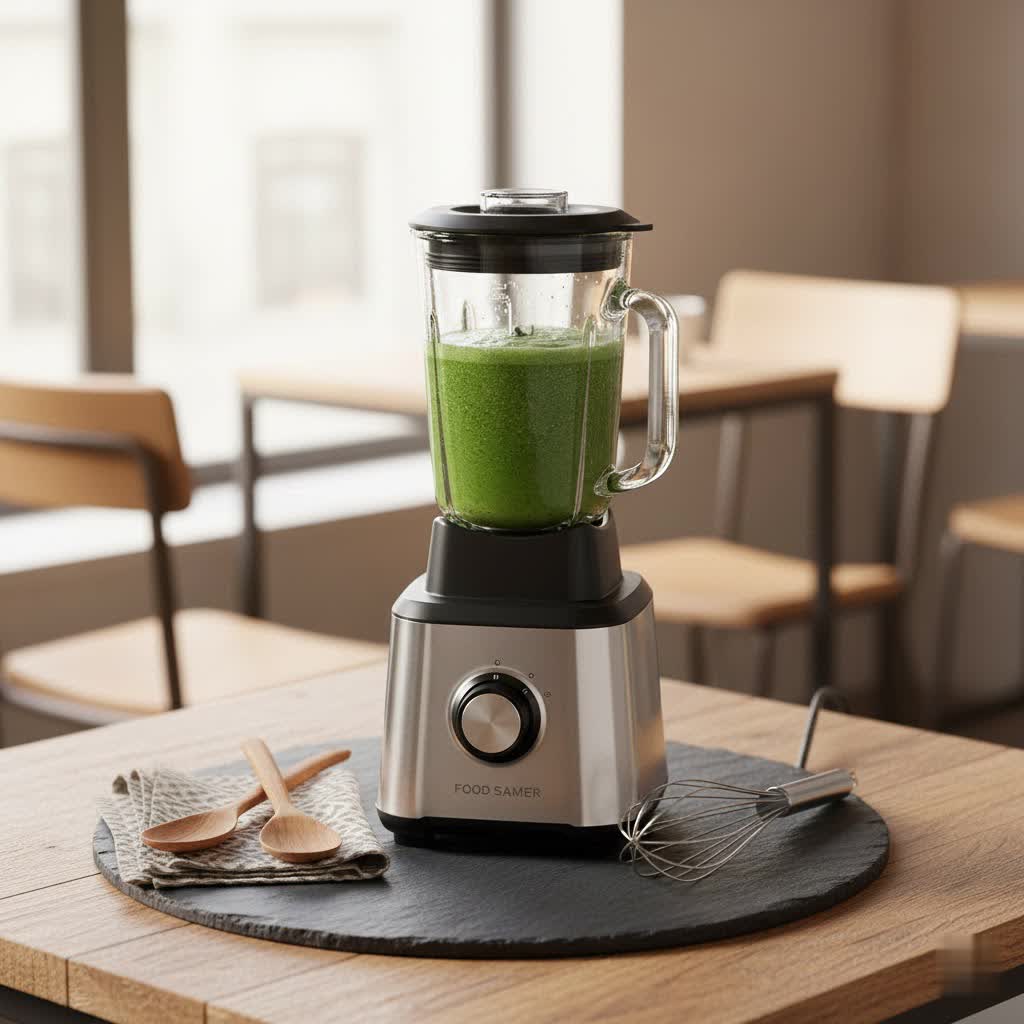
A blender food processor combo is a single kitchen appliance that offers the functionalities of both a blender and a food processor, typically using a shared motor base with interchangeable attachments. This ingenious design allows you to perform a wide array of tasks, from blending silky smoothies to chopping vegetables and even kneading dough, all with one compact unit.
Historically, blenders emerged in the 1920s, primarily for mixing beverages, while food processors, with their wider bowls and diverse blade options, became popular for preparing solids like chopping and slicing. The evolution of kitchen technology led to the integration of these two essential tools, driven by the desire for space-saving and multi-functional solutions. Modern combo units can vary, ranging from systems with separate, dedicated jars and bowls for each function to more integrated designs where a single container might be adapted for both blending and processing tasks through different blade setups.
Benefits of an All-in-One Appliance
Embracing a blender food processor combo offers several compelling advantages for any kitchen enthusiast.
Firstly, space-saving is perhaps the most significant benefit. Instead of dedicating valuable counter or cabinet space to two separate machines, you consolidate their functions into a single footprint. This is a game-changer for smaller kitchens or anyone looking to declutter their cooking area.
Secondly, these combos often prove to be more cost-effective than purchasing a high-quality blender and a high-quality food processor separately. While premium models can be an investment, the combined value usually outweighs the individual cost.
Thirdly, the culinary versatility they offer is unmatched. Imagine whipping up a creamy smoothie for breakfast, then effortlessly switching attachments to chop vegetables for dinner, or even preparing dough for baking, all with the same base unit. This multi-functionality encourages experimentation and broadens your cooking horizons, allowing you to create diverse recipes from purees and sauces to salsas and nut butters.
Finally, these appliances promote a streamlined workflow. The ease of switching between tasks means less time spent rummaging for different gadgets and more time enjoying the cooking process. For instance, a Breville unit can combine blending, juicing, and food processing, making it incredibly versatile for creative cooks.
Key Features to Consider When Choosing Your Blender Food Processor Combo
Selecting the right blender food processor combo involves weighing several important factors to ensure it meets your specific culinary needs and lifestyle.
Power (Motor Wattage)
|
Our Picks for the Best Food Blender in 2026
As an Amazon Associate I earn from qualifying purchases.
|
||
| Num | Product | Action |
|---|---|---|
| 1 | BLACK+DECKER PowerCrush Multi-Function Blender with 6-Cup Glass Jar, 4 Speed Settings, Silver |

|
| 2 | Ninja Fit Compact Personal Blender, Portable Blender for-Smoothies, Shakes, Food Prep, and Frozen Blending, 700-Watt Base, (2) 16-oz. Cups and Spout Lids, Black QB3001SS |
|
| 3 | Ninja Mega Kitchen System, 1500W, 72 oz. Full-Size Blender & 8-Cup Food Processor with (2) 16 oz. Cups , Black, BL770 |
|
| 4 | Vitamix Explorian E310 Blender, Professional-Grade Kitchen Blender for Smoothies, Soups, Juices and More, 10-Speed, Stainless Steel Blades, Self-Cleaning Kitchen Appliance, 48 Oz Container, Black |
|
| 5 | Turelar Immersion Blender Handheld Corded Hand Blenders Set 1100W, Trigger Variable Speed 5 in 1 Stick Emulsifier with Chopper, Whisk and Frother for Soup, Baby Food and Smoothies |
|
| 6 | BLACK+DECKER Countertop Blender with 6-Cup Glass Jar, 10-Speed Settings, Black, BL2010BG |
|
| 7 | Ninja Professional Blender 1000W, Total Crushing Technology- Smoothies, Ice Crushing & Frozen Fruit, Full-Size Countertop Blender, 72-oz. Pitcher, Black & Grey, BL610 |
|
| 8 | Vitamix Ascent X5 Blender with 10 Blending Programs, Self-Cleaning Program, Professional-Grade Blender for Smoothies, Soups and More, Stainless-Steel Blades, 48 Oz Container, Brushed Stainless |
|
| 9 | Countertop Blender, 2000W High-Power Smoothie Blender with 68oz BPA-Free Jar, 28,000 RPM, Variable Speed & Pulse, 8-Blade Stainless Steel, Tamper Included, Quick Self-Cleaning, Dishwasher-Safe Jar |
|
| 10 | Hamilton Beach Power Elite Wave Action Blender For Smoothies, 40 Oz Glass Jar, 12 Functions Including Puree, Crush Ice, 700 Watts - Black (58148A) |
|
The motor’s wattage dictates the appliance’s ability to handle tough ingredients. For basic blending and light food processing, a motor of 600W or more is generally sufficient. However, if you plan to crush ice, blend frozen fruits, knead thick dough, or process hard vegetables regularly, look for models with 1000W to 1500W or even higher power to ensure efficient performance without straining the motor. Powerful motors are crucial for achieving smooth textures and tackling demanding tasks effortlessly.
Capacity
Consider the typical volume of food you prepare. Blender pitchers usually range from 48 to 72 ounces, suitable for families or larger batches of smoothies and soups. Food processor bowls vary from 3-cup mini choppers to 8-cup or 14-cup capacities, ideal for different batch sizes of chopping, slicing, and shredding. Many combos also include personal blending cups, perfect for single servings or on-the-go drinks.
Blade System
The design and material of the blades are vital for effective processing. Most units feature durable stainless steel blades. Blenders typically have fixed blades at the bottom, designed to create a vortex for smooth liquid blends. Food processor attachments, however, come with various S-shaped chopping blades and often include reversible discs for slicing and shredding. Some innovative designs, like Ninja’s stacked blade systems, feature blades at multiple heights to ensure thorough processing throughout the container.
Material (Jars and Bowls)
The containers are commonly made from glass or BPA-free plastic (like Tritan). Glass offers a premium feel, is scratch-resistant, and doesn’t absorb odors, but it can be heavy and prone to breaking. BPA-free plastic is lighter, shatter-resistant, and durable, making it a popular choice for everyday use. Ensure all materials are food-grade and safe for contact with ingredients.
Speed Settings and Programs
Versatility in speed control allows for precise processing. Look for models with variable speed settings, a pulse function for quick bursts of power, and potentially pre-programmed settings (like “smoothie,” “chop,” “dough”) that optimize performance for specific tasks. Features like “Auto-iQ” can automatically adjust blending patterns and speeds for consistent results.
Attachments and Accessories
A truly versatile combo unit will come with a range of attachments. These might include different-sized blending jars, food processor bowls, various S-blades for chopping, slicing and shredding discs, a dough blade, and personal travel cups. The more attachments included, the broader the range of recipes you can tackle.
Ease of Cleaning
Nobody wants to spend more time cleaning than cooking. Opt for models with dishwasher-safe parts, which can significantly simplify cleanup. Removable blades and easily accessible components are also beneficial for thorough manual cleaning.
Brand and Price
Reputable brands like Ninja, Vitamix, Cuisinart, NutriBullet, and Breville are often cited for their quality and performance in blender food processor combos. While these brands might come with a higher price tag, they often offer better durability, warranty, and overall user experience. Consider your budget, but also view it as an investment in a versatile kitchen workhorse.
Blender vs. Food Processor: Understanding the Core Differences
While combo units aim to bridge the gap, it’s important to understand the fundamental distinctions between blenders and food processors, as this impacts their optimal use and the results you can expect.
Blenders excel at tasks that require liquefying, pureeing, and creating smooth consistencies. Their tall, narrow containers and rapidly spinning blades are designed to generate a powerful vortex, pulling ingredients down and achieving incredibly smooth results for items like:
- Smoothies and milkshakes
- Creamy soups and sauces
- Nut butters (with powerful blenders)
- Crushing ice
Blenders generally perform best with some liquid present to facilitate the blending action. Their pour spouts are also a convenient feature for transferring liquid creations neatly.
Food processors, on the other hand, are masters of processing solids and semi-solids. Their wider, shorter bowls and various S-shaped blades and discs are designed for:
- Chopping vegetables (onions, carrots, herbs)
- Slicing and shredding (cheese, potatoes, cabbage)
- Grating (hard cheeses, carrots)
- Kneading dough
- Making dips and spreads like hummus (though some powerful blenders can also do this).
Food processors offer more control over texture, from coarse chops to fine minces, and typically don’t require liquid to operate effectively.
While a combo unit is incredibly versatile, it’s worth noting that some dedicated blenders might achieve an even silkier smoothie, and some dedicated food processors might offer slightly more precise slicing or larger capacities for specific tasks. However, for the average home cook, the convenience and broad capabilities of a high-quality combo often outweigh these minor differences.
Top Blender Food Processor Combos on the Market
The market offers several excellent blender food processor combos that deliver on versatility and performance. Here are some of the most highly-regarded options:
- Ninja Professional Plus Kitchen System with Auto-iQ: Consistently ranked among the best, this system offers a powerful motor, multiple jars (blender pitcher, food processor bowl, personal cups), and Auto-iQ technology for intelligent pre-set programs. It excels at everything from crushing ice to chopping and dough mixing, making it ideal for families and heavy-duty use.
- Vitamix A3500 Ascent Series Smart Blender (with Food Processor Attachment): While primarily a high-end blender known for its exceptional blending power and durability, Vitamix offers a 12-cup food processor attachment that seamlessly integrates with its Ascent series bases. This creates a premium combo capable of handling the toughest ingredients and a wide range of tasks.
- NutriBullet Triple Prep System: Featuring a robust 1500W motor, this system combines a full-size blender, a personal blender, and a food processor. It’s noted for effortlessly handling smoothies, chopping vegetables, and kneading dough, with vessel recognition for easy setting adjustments.
- Cuisinart Smart Power Duet Blender/Food Processor: This model stands out for its sturdy build, often featuring a glass blender jar and strong chopping attachment. It provides good value and is capable of blending smoothies and processing vegetables, making it a reliable choice for everyday tasks.
- Breville the 3X Bluicer Blender and Juicer (with Food Processor Capabilities): This innovative appliance goes a step further by combining blending, juicing, and some food processing functions. It’s perfect for those who want to get truly creative in the kitchen and enjoy fresh juices alongside their blended and processed meals.
| Feature / Model | Power (Wattage) | Blender Capacity (oz) | Food Processor Capacity (cups) | Key Features & Strengths | Ideal For |
|---|---|---|---|---|---|
| Ninja Professional Plus Kitchen System | ~1000-1400W | 72 | 8 | Auto-iQ, stacked blades, versatile, ice crushing, dough mixing | Families, heavy users, all-around performance |
| Vitamix A3500 Ascent Series (with attachment) | ~1500W | 64 | 12 | Premium build, extreme blending power, precision control, hot soup | Serious cooks, durability, professional results |
| NutriBullet Triple Prep System | 1500W | 64 | 8 | Full-size & personal blending, vessel recognition, strong motor | Families, meal prep, easy-to-use |
| Cuisinart Smart Power Duet | ~500-700W | 48 | 3 | Sturdy glass jar, compact, good value for basic tasks | Everyday blending, light processing, smaller batches |
| Breville the 3X Bluicer | ~1100W | 50 | 8 | Blends, juices, processes; highly versatile for beverages and food prep | Creative cooks, juicing enthusiasts, versatile prep |
Tips for Using and Maintaining Your Combo Appliance
Proper usage and maintenance are crucial for extending the lifespan of your blender food processor combo and ensuring optimal performance.
Usage Tips:
- Don’t Overload: Avoid filling the containers beyond the maximum fill line, as this can strain the motor and lead to less efficient processing.
- Add Liquids First (for Blending): When blending, always add liquids to the jar before solid ingredients. This helps create a smooth vortex and prevents the blades from getting stuck.
- Use the Right Attachment: Ensure you are using the correct blade or disc for the task. The S-blade is for chopping, pureeing, and mixing, while slicing/shredding discs are for uniform cuts.
- Pulse Function: Utilize the pulse setting for better control when chopping or mincing, preventing ingredients from becoming over-processed or liquified.
- Safety Features: Familiarize yourself with safety locks and automatic shut-off features to prevent accidents and motor damage from overheating.
Maintenance Tips:
- Immediate Cleaning: Clean the jars, bowls, and blades immediately after use. Food residue can dry and become difficult to remove.
- Dishwasher Safe Parts: Many components are dishwasher safe, making cleanup easier. Always check the manufacturer’s instructions for specific parts.
- Hand Washing for Blades: For blades and seals, hand washing with warm, soapy water is often recommended to preserve their sharpness and integrity. Use a brush to safely clean around blades.
- Motor Base Care: Wipe down the motor base with a damp cloth; never immerse it in water.
- Storage: Store attachments neatly. Some models come with clever storage solutions to keep your kitchen organized.
“Investing in a high-quality blender food processor combo is more than just buying an appliance; it’s investing in efficiency, versatility, and reclaiming valuable kitchen space.” – Chef Alice Chen, Culinary Gadget Expert
Conclusion
Blender food processor combos are indeed game-changers for modern kitchens, offering an unparalleled blend of convenience, versatility, and space-saving design. By consolidating two essential kitchen tools into one, they empower home cooks to tackle a broader range of culinary tasks with ease, from creating silky smoothies to chopping vegetables and kneading dough. When choosing your combo, prioritize motor power, capacity, blade quality, and the range of attachments to match your cooking habits. While no single appliance can perfectly replicate the specialized performance of two dedicated units, the benefits of an all-in-one system for most everyday culinary needs are undeniable. Ready to simplify your kitchen and elevate your cooking?
Frequently Asked Questions
Is a blender food processor combo worth buying?
Yes, a blender food processor combo is often worth buying, especially if you have limited kitchen space or a budget that doesn’t allow for two high-end separate appliances. They offer excellent versatility, allowing you to perform a wide range of blending and processing tasks with a single motor base and interchangeable attachments, making kitchen work more efficient.
Can a blender completely replace a food processor?
While some powerful blenders can handle certain food processing tasks like chopping nuts or making dips, a blender cannot completely replace a dedicated food processor. Blenders excel at liquids and smooth purees, while food processors are superior for precise chopping, slicing, shredding, and kneading dough, particularly with dry or thicker ingredients.
What tasks are best suited for a combo appliance?
A combo appliance is best suited for tasks that involve both liquid-based preparations and solid food processing. This includes making smoothies, soups, sauces, chopping vegetables for salads or stir-fries, pureeing baby food, making salsas, and even preparing cookie dough or bread crumbs. It’s ideal for everyday cooking diversity.
How much power (wattage) do I need in a combo unit?
For optimal performance and versatility, aim for a combo unit with at least 1000 watts of power. While lower wattage models (e.g., 600-700W) can handle basic tasks, a higher wattage ensures the appliance can effectively tackle tough ingredients, crush ice, and knead dough without struggling or overheating.
