Stepping into the modern kitchen, one appliance stands out as an indispensable workhorse: the electric food blender. From crafting velvety-smooth morning smoothies to preparing hearty, wholesome soups and everything in between, these powerful machines have transformed the way we approach meal preparation. With decades of innovation, electric blenders have evolved from basic mixing tools into sophisticated, multi-functional gadgets designed to streamline your cooking process and elevate your culinary creations. Whether you’re a seasoned chef or just beginning your culinary journey, understanding the capabilities and choices available in the world of electric food blenders is key to unlocking a world of convenience and healthy eating.
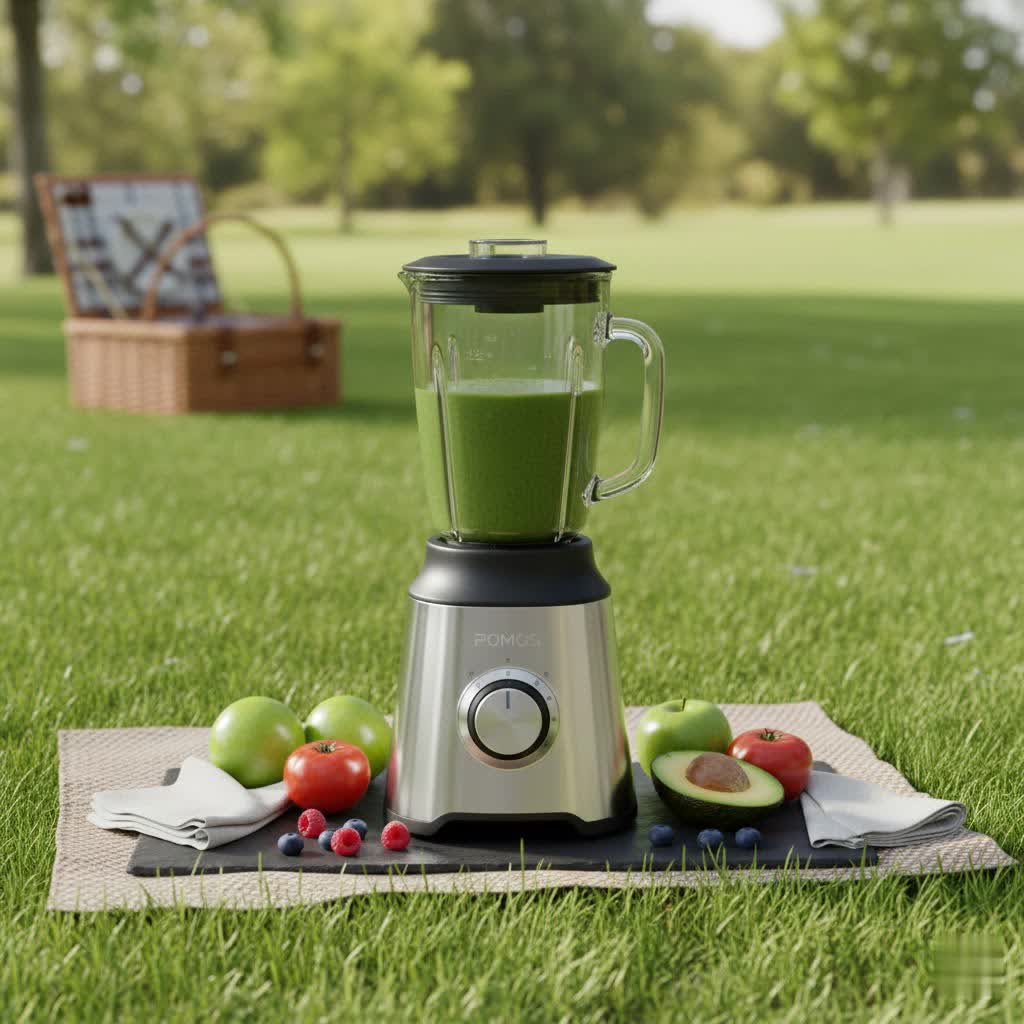
Understanding the Electric Food Blender
An electric food blender is a kitchen appliance designed to purée, liquefy, chop, and mix food and beverages. It typically consists of a motor base, a blending jar or container with blades at the bottom, and a lid. The motor drives the blades at high speeds, creating a vortex that pulls ingredients into the blades for efficient processing.
The evolution of the electric food blender traces back to 1919 when Stephen J. Poplawski invented the first blender for making malted milkshakes. Since then, numerous brands and inventors have refined the design and functionality, leading to the diverse range of blenders we see today.
Today’s market offers several distinct types of electric food blenders, each catering to different needs and kitchen setups:
- Countertop Blenders (Jug Blenders): These are the most common type, featuring a robust motor base and a large, lidded pitcher (typically 4-8 cups capacity). They are ideal for preparing multiple servings of smoothies, soups, sauces, and crushing ice.
- Personal Blenders (Single-Serve Blenders): Compact and convenient, these blenders come with smaller cups that often double as travel mugs. They are perfect for individual servings of smoothies and shakes, saving space and reducing cleanup.
- Immersion Blenders (Hand Blenders/Stick Blenders): Designed for blending directly in pots, bowls, or containers, immersion blenders consist of a handheld motor unit with blades at the end of a shaft. They excel at puréeing soups, sauces, and making whipped cream without transferring ingredients.
- Blender-Food Processor Combos: These versatile appliances combine the functions of a blender with a food processor, offering interchangeable jars and blades for blending, chopping, slicing, and shredding. They are excellent space-savers for kitchens that need both functionalities.
The Transformative Benefits of Electric Food Blenders
Integrating an electric food blender into your kitchen offers a myriad of benefits, significantly enhancing both efficiency and your approach to healthy eating.
One of the most immediate advantages is time and effort savings. What might take minutes of manual chopping, mixing, or stirring can be accomplished in mere seconds with a powerful blender. This efficiency extends beyond just smoothies; think quick sauces, dips, and even instant soup preparations, freeing up valuable time in your busy schedule.
Electric food blenders also unlock immense culinary versatility. These machines are not just for smoothies; they empower you to create a wide array of dishes and drinks. Imagine effortlessly crafting:
- Smoothies and shakes with fresh or frozen fruits and vegetables.
- Creamy soups and bisques, puréed to perfection.
- Homemade nut butters and milks.
- Fresh salsas, pestos, and dressings.
- Batters for pancakes, waffles, or cakes.
- Crushed ice for cocktails and frozen desserts.
Perhaps most importantly, blenders contribute significantly to enhanced nutrition and healthy eating. By blending whole fruits and vegetables, the powerful blades break down cell walls, making nutrients more accessible and digestible for your body. Unlike juicing, which often removes beneficial fiber, blending retains the complete nutritional profile, including fiber, which aids digestion and helps maintain steady blood sugar levels. This makes it incredibly easy to incorporate more produce into your daily diet, supporting a healthier lifestyle.
Finally, the convenience of a blender machine extends to batch processing and meal preparation. You can blend larger quantities of sauces, soups, or smoothie bases to store for later use, making meal planning more efficient and helping you maintain consistent healthy eating habits throughout the week. Many modern blenders even come with storage containers and to-go cups, simplifying advance meal prep.
Key Factors When Choosing Your Electric Food Blender (Buying Guide)
Selecting the ideal electric food blender can seem daunting with the vast array of options available. To make an informed decision, consider these crucial factors:
Power and Speed
The motor’s power, typically measured in watts (W) or horsepower (HP), is a primary indicator of a blender’s capability.
- Lower Wattage (300-600W): Optimal for lighter tasks like blending soft fruits into smoothies or puréeing cooked vegetables.
- Medium Wattage (600-1000W): Suitable for tougher ingredients, including frozen fruits and moderate ice crushing.
- High Wattage (1000W+): Essential for handling fibrous greens, grinding nuts, consistently crushing ice, and achieving professional-grade results.
|
Our Picks for the Best Food Blender in 2026
As an Amazon Associate I earn from qualifying purchases.
|
||
| Num | Product | Action |
|---|---|---|
| 1 | Vitamix Explorian E310 Blender, Professional-Grade Kitchen Blender for Smoothies, Soups, Juices and More, 10-Speed, Stainless Steel Blades, Self-Cleaning Kitchen Appliance, 48 Oz Container, Black |

|
| 2 | Countertop Blender, 2000W High-Power Smoothie Blender with 68oz BPA-Free Jar, 28,000 RPM, Variable Speed & Pulse, 8-Blade Stainless Steel, Tamper Included, Quick Self-Cleaning, Dishwasher-Safe Jar |
|
| 3 | BLACK+DECKER Countertop Blender with 6-Cup Glass Jar, 10-Speed Settings, Black, BL2010BG |
|
| 4 | Ninja Mega Kitchen System, 1500W, 72 oz. Full-Size Blender & 8-Cup Food Processor with (2) 16 oz. Cups , Black, BL770 |
|
| 5 | BLACK+DECKER PowerCrush Multi-Function Blender with 6-Cup Glass Jar, 4 Speed Settings, Silver |
|
| 6 | Vitamix Ascent X5 Blender with 10 Blending Programs, Self-Cleaning Program, Professional-Grade Blender for Smoothies, Soups and More, Stainless-Steel Blades, 48 Oz Container, Brushed Stainless |
|
| 7 | Ninja Professional Blender 1000W, Total Crushing Technology- Smoothies, Ice Crushing & Frozen Fruit, Full-Size Countertop Blender, 72-oz. Pitcher, Black & Grey, BL610 |
|
| 8 | Hamilton Beach Power Elite Wave Action Blender For Smoothies, 40 Oz Glass Jar, 12 Functions Including Puree, Crush Ice, 700 Watts - Black (58148A) |
|
| 9 | Turelar Immersion Blender Handheld Corded Hand Blenders Set 1100W, Trigger Variable Speed 5 in 1 Stick Emulsifier with Chopper, Whisk and Frother for Soup, Baby Food and Smoothies |
|
| 10 | Ninja Fit Compact Personal Blender, Portable Blender for-Smoothies, Shakes, Food Prep, and Frozen Blending, 700-Watt Base, (2) 16-oz. Cups and Spout Lids, Black QB3001SS |
|
Look for blenders with variable speed settings and a pulse function. Variable speeds provide greater control over texture and consistency, while a pulse option offers short bursts of power for precise blending or chopping without over-processing.
Jar Material
Blender jars typically come in glass, plastic, or sometimes stainless steel. Each material has its pros and cons:
- Glass Jars:
- Pros: Durable, scratch-resistant, non-porous (won’t absorb odors or stains), aesthetically pleasing.
- Cons: Heavier, more fragile, can be more expensive.
- Plastic Jars (often BPA-free Tritan):
- Pros: Lightweight, shatter-resistant, generally more affordable.
- Cons: Can scratch over time, may absorb odors or stains, though modern plastics are much improved.
- Stainless Steel Jars:
- Pros: Extremely durable, ideal for heavy-duty use.
- Cons: Opaque (cannot see contents), less common in home blenders.
Blade Design and Material
The quality of the blades is paramount for efficient blending.
- Material: Stainless steel is the standard, offering sharpness, rust resistance, and durability. Some high-end blades may feature titanium coatings for enhanced longevity.
- Design: Look for blades designed to create a powerful vortex, pulling ingredients down into the cutting area for thorough and consistent blending, even with tough ingredients or ice.
Capacity
Consider your household size and typical usage when choosing a blender’s capacity.
- Personal Blenders: Typically 1-2 cups (single servings).
- Countertop Blenders: Ranging from 4 cups for small batches to 8 cups or more for families or entertaining.
- Immersion Blenders: Blend directly in any size pot or container, offering ultimate flexibility.
Additional Features
Modern electric food blenders come packed with features to enhance convenience and performance:
- Pre-programmed settings: Dedicated buttons for smoothies, ice crush, purée, or soup take the guesswork out of blending.
- Safety features: Look for auto-shutoff when overloaded, safety locks that prevent operation if the jar isn’t properly seated, and sturdy bases with non-slip feet.
- Thermal control jars: Some high-end models have jars designed to handle and even heat hot liquids, perfect for soups.
- Attachments: Many blenders come with additional accessories like chopping blades, grinding cups, or tamper tools for thicker mixtures.
- Easy cleaning: Dishwasher-safe parts and self-cleaning programs (for some countertop blenders) simplify maintenance.
Brand and Price
Reputable brands often signify better quality, durability, and customer support. Key players in the electric food blender market include Vitamix, Ninja, Cuisinart, KitchenAid, NutriBullet, and Oster. While high-end blenders can be a significant investment, they often offer superior performance and longevity. However, excellent models are available across all price ranges, so define your budget and research options within that bracket.
Popular Electric Food Blenders: A Comparative Look
The market boasts numerous excellent electric food blenders, each with unique strengths. For instance, Vitamix blenders are consistently rated highly for their robust motors, exceptional durability, and ability to create ultra-smooth textures for everything from smoothies to hot soups. Models like the Vitamix Explorian E310 or Ascent series are often cited as “best overall” due to their powerful performance and versatility, though they come at a higher price point.
Ninja blenders are celebrated for their strong ice-crushing capabilities and often come as comprehensive kitchen systems, including blending pitchers and food processor attachments. The Ninja Professional Plus Kitchen System, for example, is a popular choice for its multi-functionality and value.
For those prioritizing personal use and portability, NutriBullet personal blenders are frequently recommended. The NutriBullet Pro 900, known for its powerful motor in a compact design, effortlessly blends single-serving smoothies with a simple push-to-blend mechanism.
Brands like Cuisinart and KitchenAid also offer a range of reliable blenders, often praised for their sturdy build, intuitive controls, and a good balance of features and price. Cuisinart’s Smart Power Duet often earns nods for its blender-food processor combo functionality, while KitchenAid’s K400 series is recognized for its performance with fibrous ingredients and ice.
More budget-friendly options, such as certain Oster models, can still deliver strong performance for everyday tasks, particularly for smoothies and milkshakes, making them “best value” picks for many households. The choice ultimately depends on your specific needs, desired power, and budget.
Maximizing Your Electric Food Blender: Usage and Maintenance Tips
To ensure your electric food blender operates safely, efficiently, and lasts for years, proper usage and maintenance are crucial.
Safe and Effective Usage:
- Read the Manual: Always start by reading your blender’s instruction manual for specific guidelines and safety warnings.
- Cut Ingredients: Chop larger, harder ingredients (like dense fruits, vegetables, or ice) into smaller, uniform pieces before blending to prevent strain on the motor and blades.
- Liquids First: For optimal blending, always add liquids to the jar first, followed by soft ingredients, and then harder or frozen items on top. This helps create a proper vortex.
- Don’t Overfill: Never fill the blending jar beyond the maximum fill line to prevent spills and motor strain.
- Secure the Lid: Always ensure the lid is tightly secured before starting the blender, and use a tamper (if provided) only through the lid opening, not with an open lid.
- Start Low, Go High: Begin blending at a lower speed to break down ingredients, then gradually increase to higher speeds for a smoother consistency. Use the pulse function for controlled chopping.
- Avoid Overheating: If your blender struggles or makes an unusual noise, stop it immediately. Allow the motor to cool down to prevent damage.
Cleaning and Care:
- Immediate Rinse: The easiest way to clean your blender is immediately after use. Rinse the jar and blades under warm water.
- Self-Cleaning Function: Many countertop blenders have a self-cleaning feature: fill the jar halfway with warm water, add a drop of dish soap, and blend on high for 30-60 seconds. Rinse thoroughly.
- Dishwasher Safe: Check if your blender’s jar, lid, and blade assembly are dishwasher safe. Many are, making cleanup even easier.
- Hand Washing Blades: If hand washing, be extremely cautious with sharp blades. Use a brush to clean around them.
- Wipe Down Base: Wipe the motor base with a damp cloth; never submerge it in water.
- Dry Thoroughly: Ensure all parts are completely dry before reassembling or storing to prevent mold or odors.
Troubleshooting Common Issues:
- Blender Won’t Start: Check if it’s properly plugged in, if the jar is correctly seated on the base (many have safety interlocks), and if there’s an overload protection activated.
- Ingredients Not Blending: Add more liquid, or stop the blender and use a spatula or tamper to push ingredients closer to the blades. Ensure ingredients are cut into manageable pieces.
- Loud Noise/Burning Smell: Stop the blender immediately. This could indicate an overloaded motor. Reduce ingredients, add more liquid, or allow the motor to cool down. If the problem persists, consult the manufacturer.
The electric food blender has undeniably earned its place as a cornerstone of the modern kitchen. From its humble beginnings to today’s high-tech, multi-functional models, it consistently delivers on the promise of making food preparation easier, faster, and more enjoyable. By understanding the different types, considering the key features that align with your culinary ambitions, and adhering to proper usage and maintenance, you can choose a powerful and versatile appliance that transforms your daily cooking. An electric food blender isn’t just a gadget; it’s an investment in efficiency, creativity, and a healthier lifestyle.
Frequently Asked Questions
What is the difference between an electric food blender and a food processor?
While both chop and mix ingredients, blenders excel at liquefying and puréeing foods to a smooth consistency, ideal for smoothies, soups, and sauces. Food processors are designed for more complex tasks like slicing, shredding, chopping, and kneading dough, often with a wider bowl and various disc attachments.
How much wattage do I need for a good electric food blender?
For light tasks like soft fruit smoothies, 300-600 watts is sufficient. For tougher ingredients such as frozen fruits, nuts, or ice crushing, aim for 800-1000 watts or higher for optimal performance and durability.
Can I put hot liquids in my electric food blender?
Most modern countertop blenders can handle warm liquids. However, avoid extremely hot liquids, and always ensure the lid is vented or has a removable cap to allow steam to escape, preventing pressure buildup. Check your specific blender’s manual for guidelines.
Are electric food blender jars dishwasher safe?
Many blender jars, lids, and blade assemblies are dishwasher safe. Always consult your product manual to confirm, as some parts may require hand washing to maintain their integrity and longevity.
How often should I clean my electric food blender?
It’s best practice to clean your blender immediately after each use to prevent food from drying and sticking, making cleanup much easier and maintaining hygiene.
