Step into any modern kitchen, and you’ll likely find a blender standing ready to whir up smoothies or crush ice. But what if your blender could do more than just mix? What if it could transform raw ingredients into a steaming hot soup in minutes, or even sauté vegetables before blending them into a rich sauce? This is the realm of the Hot Food Blender, a versatile appliance designed not only to handle hot liquids safely but often to actively heat and cook your food directly in the pitcher. It’s a game-changer for anyone looking to simplify meal preparation and expand their culinary repertoire.
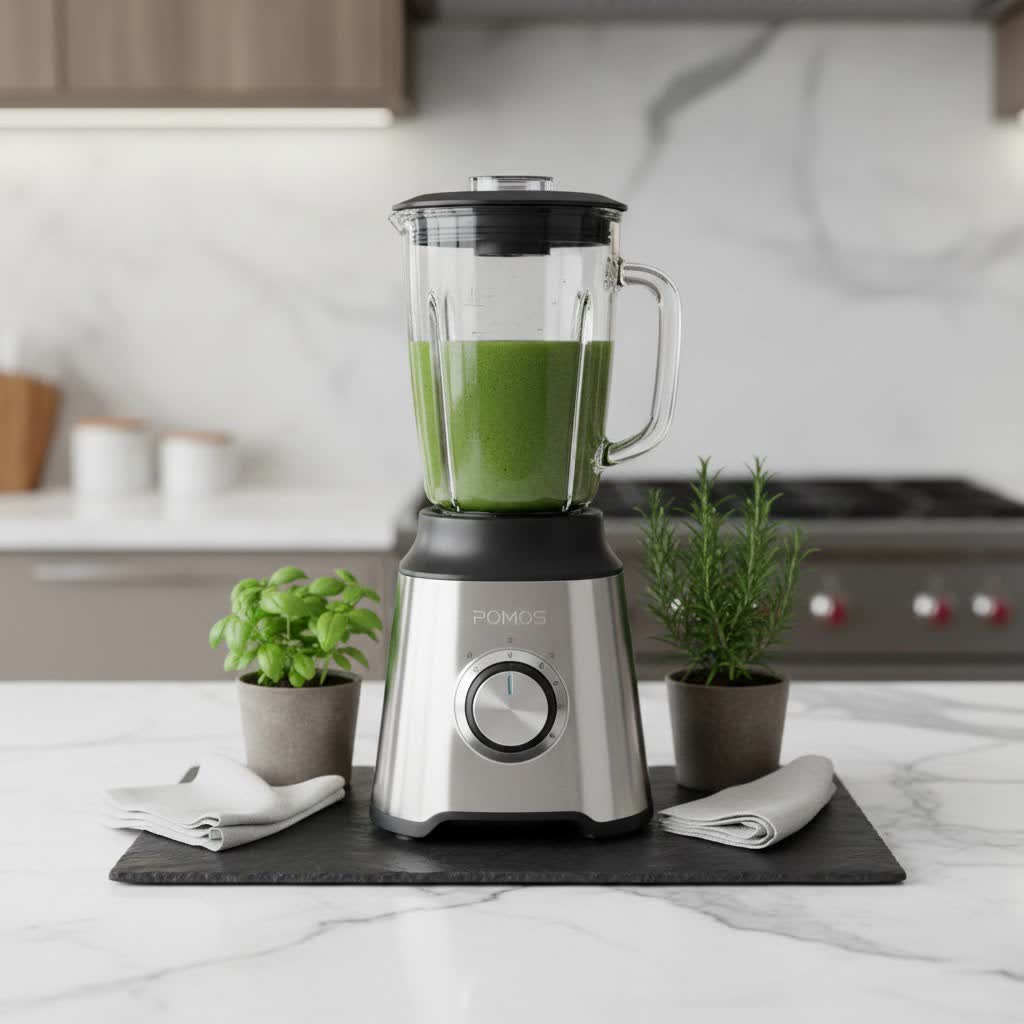
What is a Hot Food Blender?
A hot food blender is an advanced kitchen appliance engineered to process ingredients at elevated temperatures, often even bringing them to a cooking temperature. Unlike conventional blenders, which can pose safety risks when used with hot liquids due to pressure buildup, these specialized machines are built with robust materials and intelligent designs to manage heat and steam effectively.
There are primarily two types of hot food blenders that have evolved with modern kitchen technology:
- Friction Heating Blenders: These high-performance blenders, often boasting powerful motors exceeding 1,000 watts and blade speeds over 20,000 RPM, generate intense friction that heats ingredients to steaming temperatures. Think of it like rubbing your hands together vigorously – the rapid motion creates heat, turning cold ingredients into hot soup or sauce in just a few minutes, typically between 90 seconds and 6 minutes.
- Blenders with Built-in Heating Elements: These models feature an actual heating element integrated into the pitcher or base, allowing them to actively cook, simmer, and even sauté ingredients. This means you can add raw vegetables and broth, and the blender will cook them before blending, offering a true one-pot solution for dishes like creamy soups or hot dips.
This distinction is crucial because while both can handle hot ingredients, only blenders with built-in heating elements or sufficiently powerful friction heating capabilities are designed to cook food from a raw state.
Why Choose a Hot Food Blender? Key Benefits
Opting for a hot food blender brings a multitude of advantages to your kitchen, streamlining processes and expanding your culinary horizons.
One of the most significant benefits is time and efficiency. Imagine preparing a delicious, creamy soup without needing multiple pots and pans. With a hot food blender, you can often add ingredients directly, blend them, and have a hot meal ready in under ten minutes, all in a single container. This drastically cuts down on cooking time and, more importantly, cleanup.
Culinary versatility is another major draw. These blenders excel at creating a vast array of hot and cold dishes. From silky smooth tomato bisque and chunky vegetable stews to decadent hot chocolate, savory sauces, homemade baby food, and even hot dips, the possibilities are extensive. Many models can also handle traditional blending tasks like smoothies, nut milks, and frozen desserts, making them a true multi-tasker.
Hot food blenders contribute to enhanced nutrition by making it easier to prepare fresh, homemade meals. You have complete control over the ingredients, avoiding artificial additives, excessive salt, or unhealthy fats often found in store-bought alternatives. The efficient blending also helps break down ingredients thoroughly, potentially making nutrients more accessible.
Furthermore, these blenders consistently deliver smooth, consistent textures. Their high power and precise blade designs ensure that even tough ingredients are pulverized to your desired consistency, whether you prefer a velvety puree or a hearty, chunky blend.
Finally, safety considerations are paramount. Regular blenders are not designed for hot liquids. The steam generated can build up pressure inside a sealed pitcher, leading to the lid blowing off and splattering scalding contents, posing a serious burn risk. Hot food blenders, with their vented lids and durable, heat-resistant materials, are specifically engineered to prevent such dangerous incidents, providing peace of mind.
Essential Buying Guide: How to Select the Best Hot Food Blender
Choosing the right hot food blender involves considering several critical factors to ensure it meets your specific culinary needs and safety expectations.
Power and Speed
|
Our Picks for the Best Food Blender in 2026
As an Amazon Associate I earn from qualifying purchases.
|
||
| Num | Product | Action |
|---|---|---|
| 1 | Hamilton Beach Power Elite Wave Action Blender For Smoothies, 40 Oz Glass Jar, 12 Functions Including Puree, Crush Ice, 700 Watts - Black (58148A) |

|
| 2 | Ninja Fit Compact Personal Blender, Portable Blender for-Smoothies, Shakes, Food Prep, and Frozen Blending, 700-Watt Base, (2) 16-oz. Cups and Spout Lids, Black QB3001SS |
|
| 3 | BLACK+DECKER PowerCrush Multi-Function Blender with 6-Cup Glass Jar, 4 Speed Settings, Silver |
|
| 4 | Ninja Mega Kitchen System, 1500W, 72 oz. Full-Size Blender & 8-Cup Food Processor with (2) 16 oz. Cups , Black, BL770 |
|
| 5 | Ninja Professional Blender 1000W, Total Crushing Technology- Smoothies, Ice Crushing & Frozen Fruit, Full-Size Countertop Blender, 72-oz. Pitcher, Black & Grey, BL610 |
|
| 6 | Turelar Immersion Blender Handheld Corded Hand Blenders Set 1100W, Trigger Variable Speed 5 in 1 Stick Emulsifier with Chopper, Whisk and Frother for Soup, Baby Food and Smoothies |
|
| 7 | BLACK+DECKER Countertop Blender with 6-Cup Glass Jar, 10-Speed Settings, Black, BL2010BG |
|
| 8 | Vitamix Ascent X5 Blender with 10 Blending Programs, Self-Cleaning Program, Professional-Grade Blender for Smoothies, Soups and More, Stainless-Steel Blades, 48 Oz Container, Brushed Stainless |
|
| 9 | Countertop Blender, 2000W High-Power Smoothie Blender with 68oz BPA-Free Jar, 28,000 RPM, Variable Speed & Pulse, 8-Blade Stainless Steel, Tamper Included, Quick Self-Cleaning, Dishwasher-Safe Jar |
|
| 10 | Vitamix Explorian E310 Blender, Professional-Grade Kitchen Blender for Smoothies, Soups, Juices and More, 10-Speed, Stainless Steel Blades, Self-Cleaning Kitchen Appliance, 48 Oz Container, Black |
|
The motor’s power (wattage or horsepower) and blade speed (RPM) are paramount for a hot food blender. For friction heating blenders, a motor of 1,000 watts or more (often reaching 1,400-1,800 watts) and speeds exceeding 20,000 RPM are essential to generate enough heat to cook ingredients. High power also ensures efficient blending of tough ingredients like fibrous vegetables or ice, resulting in consistently smooth textures. Look for models with variable speed control to give you precise command over the blending process, from a gentle stir to a powerful puree.
Pitcher Material and Design
The blender’s pitcher, or jar, is a key component for hot food processing. It should be made from durable, heat-resistant, and BPA-free materials like high-impact Tritan plastic or thickened glass. These materials can withstand the high temperatures and pressures involved in blending or cooking hot foods. A crucial feature for safety is a vented lid, which allows steam to escape during operation, preventing dangerous pressure buildup. Additionally, the shape of the jar often plays a role in creating a “vortex” effect, drawing ingredients into the blades for more thorough and even blending.
Blade Quality and Configuration
The blades are the workhorses of any blender. For hot food blenders, look for high-quality materials such as hardened stainless steel or titanium, which resist corrosion and maintain sharpness over time. The design and configuration of the blades are equally important, as they influence blending efficiency and the ability to create friction heat. Blades that effectively create a vortex within the pitcher are generally preferred for uniform processing and heating.
Capacity
Consider the capacity of the blender pitcher based on your household size and typical meal preparation needs. Smaller pitchers (around 32-48 ounces) are suitable for single servings or small families, while larger pitchers (64 ounces or more) are ideal for preparing meals for larger groups, batch cooking, or entertaining.
Built-in Heating Element vs. Friction Heating
Decide whether you prefer a blender that cooks with a built-in heating element or one that heats via friction. Blenders with heating elements offer more precise temperature control and the ability to sauté. Friction heating blenders, while often requiring longer blending times to reach desired temperatures, leverage pure power for a different kind of efficiency. Both methods result in hot food, so your choice depends on your preference for direct cooking control versus raw blending power.
Smart Features and Programs
Many modern hot food blenders come equipped with smart features and preset programs that simplify operation. Look for dedicated settings for “soup,” “sauce,” “clean,” “smoothie,” or “ice crush.” Features like timers, keep-warm functions, and safety mechanisms (such as overload protection or interlocking lids that prevent operation unless securely closed) enhance convenience and safety.
Brand Reputation and Warranty
Investing in a hot food blender means looking at brand reputation and warranty. Reputable brands often signify better build quality, reliable performance, and robust customer support. A longer warranty (e.g., 5-7 years) can indicate the manufacturer’s confidence in their product’s durability. While price varies significantly, consider it an investment in a versatile and durable kitchen appliance.
Popular Hot Food Blenders: A Comparative Overview
To help you navigate the market, here’s a comparative look at some of the most popular hot food blenders, highlighting their core features.
| Model | Power (Watts/HP) | Heating Method | Pitcher Material | Capacity (oz) | Key Features | Price Range |
|---|---|---|---|---|---|---|
| Vitamix E310 Explorian | 2.0 HP (~1440W) | Friction Heating | BPA-Free Tritan | 48 | Variable Speed, Pulse, Self-Clean | $$$ |
| Ninja Foodi Power Blender & Soup Maker (HB152) | 1400W | Built-in Element | Glass | 64 | Auto-iQ Programs, Sauté, Keep Warm, Self-Clean | $$ |
| Blendtec Total Classic Original | 3.0 HP (~1560W) | Friction Heating | BPA-Free Tritan | 75 | Pre-programmed cycles, Touchpad controls | $$$ |
| Tefal Perfectmix Cook Blender | 1400W | Built-in Element | Glass | 67 | 8 Hot & Cold Presets, Steam, Self-Clean | $$ |
| Cleanblend Commercial Blender | 1800W | Friction Heating | BPA-Free Tritan | 64 | Variable Speed, Pulse, Tamper | $ |
Note: Price ranges are indicative and can vary by retailer and promotions. ($ = Budget-friendly, $$ = Mid-range, $$$ = Premium)
Top 5 Hot Food Blenders Recommended for Your Kitchen
Based on extensive research and user reviews, these five blenders stand out for their performance, features, and ability to handle hot foods, offering excellent options across various price points and needs.
-
Vitamix E310 Explorian Blender: Often considered the gold standard for high-performance blending, the Vitamix E310 Explorian is a friction heating powerhouse. Its robust 2.0 peak horsepower motor can easily pulverize ingredients, heating cold soups to steaming hot in about six minutes through blade friction. It features variable speed control and a pulse function for precise texture management. The 48-ounce BPA-free Tritan pitcher is durable and designed for efficient vortex creation. It’s an investment, but known for its longevity and exceptional blending quality, making it ideal for serious cooks who prioritize raw power and smooth results.
-
Ninja Foodi Power Blender & Soup Maker (HB152): This versatile appliance is a fantastic choice for those who desire a true “cook and blend” machine. With a 1400-watt motor and a built-in heating element, it not only blends but also cooks raw ingredients directly in its 64-ounce glass pitcher. It offers Auto-iQ programs for one-touch operation, including sauté, smooth soup, chunky soup, and sauce functions. The glass pitcher is easy to clean, and its ability to handle both hot and cold preparations makes it incredibly versatile for everyday use, from hot meals to frozen drinks.
-
Blendtec Total Classic Original Blender: Another titan in the high-speed blender category, the Blendtec Total Classic Original uses immense power (3.0 peak horsepower motor) to generate friction heat, making hot soups from cold ingredients efficiently. It comes with pre-programmed cycles for various blends, ensuring consistent results. The 75-ounce BPA-free Tritan jar is exceptionally durable. Blendtec blenders are renowned for their strength and ability to break down even the toughest ingredients, making them a worthy competitor to Vitamix for those seeking top-tier blending performance and friction heating capabilities.
-
Tefal Perfectmix Cook Blender: This blender shines with its versatility and thoughtful design for hot food preparation. Featuring a 1400-watt motor and a built-in heating element, it boasts eight hot and cold presets, allowing you to make anything from hot soups and steamed vegetables to smoothies and crushed ice. Its 67-ounce glass jug is robust and includes a self-cleaning function. The Tefal Perfectmix Cook offers a comprehensive solution for home cooks looking for a multi-functional blender that can genuinely cook and blend.
-
Cleanblend Commercial Blender: For those seeking Vitamix-level power without the premium price tag, the Cleanblend Commercial Blender is an excellent alternative. Equipped with an impressive 1800-watt motor, it excels at friction heating, transforming cold ingredients into hot soups and purees. Its 64-ounce BPA-free Tritan pitcher is designed for heavy-duty use, and it comes with variable speed control and a tamper to assist with thicker blends. This blender offers exceptional value, delivering powerful performance and durability for a significantly more affordable cost.
Master Your Hot Food Blender: Usage and Maintenance Tips
To maximize the performance and longevity of your hot food blender, understanding proper usage and maintenance is key.
Safe Operation: Always ensure the lid is securely in place before starting your blender, especially when working with hot liquids. For blenders without a dedicated heating element, when blending already hot food, always use a vented lid and never fill the pitcher more than halfway to allow for steam expansion. Start blending at the lowest speed and gradually increase it, using the pulse function to break down larger pieces. If your blender is not designed for hot liquids, allow food to cool to at least room temperature before blending to prevent dangerous pressure buildup.
Cleaning: Many hot food blenders come with a convenient self-clean function. Typically, you’ll fill the pitcher halfway with warm water, add a drop of dish soap, and run the self-clean cycle for 30-60 seconds. For manual cleaning, disassemble removable parts and wash them with warm, soapy water. Always refer to your user manual for specific cleaning instructions, especially for pitchers with integrated heating elements, which often cannot be submerged in water. Regular cleaning prevents food residue buildup and maintains hygiene.
Troubleshooting Common Issues: If your blender struggles with tough ingredients, try adding a little more liquid or using the tamper (if included) to push ingredients towards the blades. If the blender overheats, most models have an automatic shut-off feature; allow it to cool before restarting. Always consult your appliance’s manual for specific troubleshooting steps and contact customer support for persistent issues.
Embrace the versatility of your hot food blender to create a wide array of delicious and nutritious meals, from hearty soups and savory sauces to homemade baby food and hot beverages.
Frequently Asked Questions
Can I put hot liquids in any blender?
No, you should not put hot liquids in just any blender. Standard blenders are not designed to handle the pressure generated by steam from hot liquids, which can cause the lid to blow off and splatter scalding contents, posing a significant burn risk. Only use blenders specifically designed for hot liquids, featuring vented lids and durable, heat-resistant pitchers.
How does a blender heat food by friction?
High-powered blenders, like those from Vitamix or Blendtec, use incredibly fast-spinning blades (over 20,000 RPM) driven by powerful motors (1,000+ watts). This rapid movement creates immense friction against the liquid ingredients, converting mechanical energy into heat. Over several minutes, this friction can raise the temperature of cold ingredients to steaming hot, essentially “cooking” soups or sauces directly in the pitcher without an external heating element.
What is the difference between a hot food blender and an immersion blender for hot soups?
A hot food blender is a countertop appliance with a sealed pitcher that can safely contain and often heat hot ingredients. An immersion blender, also known as a hand blender or stick blender, is a handheld device that you plunge directly into a pot or bowl of hot soup or sauce on the stovetop. While immersion blenders are excellent for pureeing hot soups directly in their cooking vessel, they do not actively cook or heat ingredients themselves, unlike hot food blenders with built-in heating elements or friction heating capabilities.
Are hot food blenders safe?
Yes, hot food blenders are designed with safety in mind specifically for handling hot ingredients. They feature specialized components like vented lids to release steam, and durable, heat-resistant pitchers that can withstand high temperatures and pressures. Always follow the manufacturer’s instructions for safe operation, including fill lines and proper lid usage, to ensure maximum safety.
What types of food can I make in a hot food blender?
A hot food blender is incredibly versatile. You can make a wide variety of dishes, including smooth or chunky hot soups, creamy sauces (e.g., cheese sauce, marinara), gravies, hot dips (e.g., queso), homemade baby food, warm purees, hot chocolate, infused beverages, and even some nut milks. Many models also double as excellent blenders for cold items like smoothies, frozen desserts, and crushed ice.
