The modern kitchen is a hub of innovation, constantly evolving with appliances designed to make our culinary lives easier. Among the most common yet often misunderstood are the food processor and the blender. While both boast fast-spinning blades and promise to simplify food preparation, they are distinctly different tools, each excelling in specific tasks. Understanding these differences is key to unlocking their full potential and choosing the right one for your cooking style. This guide will delve into the unique functionalities of food processors and blenders, helping you decipher which appliance—or perhaps both—will become your ultimate kitchen ally.
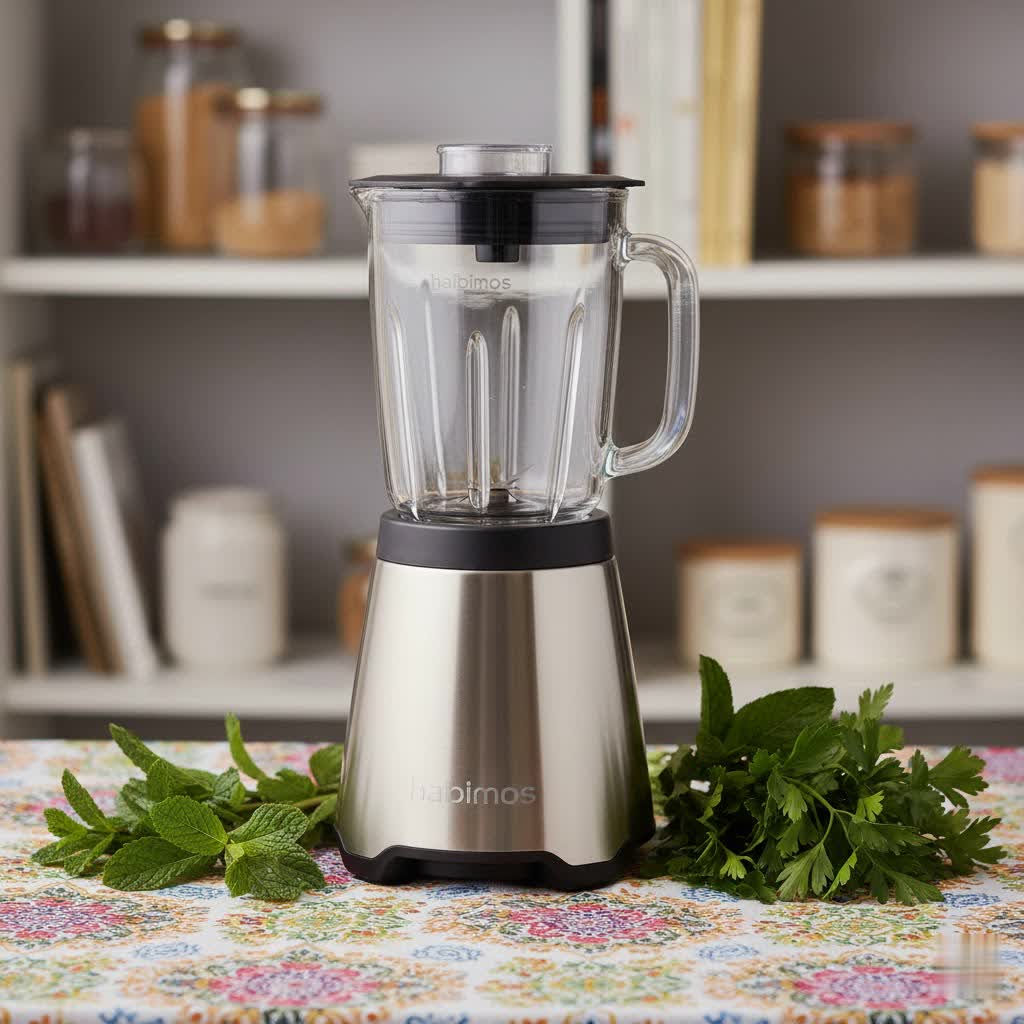
Food Processor vs. Blender: Understanding the Core Differences
At first glance, a food processor and a blender might seem interchangeable, both capable of transforming ingredients with their powerful motors and sharp blades. However, their fundamental designs and primary functions set them apart, dictating their suitability for various culinary challenges.
What is a Food Processor?
A food processor is a versatile kitchen appliance built for heavy-duty food preparation tasks, primarily dealing with solid or semi-solid ingredients. It’s designed to minimize the effort and time traditionally spent on chopping, slicing, shredding, and kneading by hand.
Key Features:
- Wide Bowl: Typically comes with a broad, often shallow work bowl that allows for processing larger quantities and a variety of textures.
- Interchangeable Blades and Discs: Equipped with a range of attachments, including S-blades for chopping and mixing, and various discs for slicing, shredding, grating, and even julienning.
- Powerful Motor: Strong enough to handle tough ingredients like nuts, hard vegetables, and dough.
- Emphasis on Texture Control: Offers precise control over the texture, from coarse chops to fine crumbs.
|
Our Picks for the Best Food Blender in 2026
As an Amazon Associate I earn from qualifying purchases.
|
||
| Num | Product | Action |
|---|---|---|
| 1 | BLACK+DECKER Countertop Blender with 6-Cup Glass Jar, 10-Speed Settings, Black, BL2010BG |

|
| 2 | Ninja Professional Blender 1000W, Total Crushing Technology- Smoothies, Ice Crushing & Frozen Fruit, Full-Size Countertop Blender, 72-oz. Pitcher, Black & Grey, BL610 |
|
| 3 | Turelar Immersion Blender Handheld Corded Hand Blenders Set 1100W, Trigger Variable Speed 5 in 1 Stick Emulsifier with Chopper, Whisk and Frother for Soup, Baby Food and Smoothies |
|
| 4 | Hamilton Beach Power Elite Wave Action Blender For Smoothies, 40 Oz Glass Jar, 12 Functions Including Puree, Crush Ice, 700 Watts - Black (58148A) |
|
| 5 | Vitamix Ascent X5 Blender with 10 Blending Programs, Self-Cleaning Program, Professional-Grade Blender for Smoothies, Soups and More, Stainless-Steel Blades, 48 Oz Container, Brushed Stainless |
|
| 6 | BLACK+DECKER PowerCrush Multi-Function Blender with 6-Cup Glass Jar, 4 Speed Settings, Silver |
|
| 7 | Countertop Blender, 2000W High-Power Smoothie Blender with 68oz BPA-Free Jar, 28,000 RPM, Variable Speed & Pulse, 8-Blade Stainless Steel, Tamper Included, Quick Self-Cleaning, Dishwasher-Safe Jar |
|
| 8 | Ninja Fit Compact Personal Blender, Portable Blender for-Smoothies, Shakes, Food Prep, and Frozen Blending, 700-Watt Base, (2) 16-oz. Cups and Spout Lids, Black QB3001SS |
|
| 9 | Ninja Mega Kitchen System, 1500W, 72 oz. Full-Size Blender & 8-Cup Food Processor with (2) 16 oz. Cups , Black, BL770 |
|
| 10 | Vitamix Explorian E310 Blender, Professional-Grade Kitchen Blender for Smoothies, Soups, Juices and More, 10-Speed, Stainless Steel Blades, Self-Cleaning Kitchen Appliance, 48 Oz Container, Black |
|
Main Uses: Chopping vegetables, slicing potatoes, shredding cheese, kneading dough, grinding nuts, making breadcrumbs, preparing dips like hummus, and pureeing cooked foods.
What is a Blender?
A blender is a specialized appliance optimized for combining liquids and creating smooth, uniform consistencies. It excels when the goal is to liquify, emulsify, or create silky purees and beverages.
Key Features:
- Narrow, Tall Pitcher/Jar: The design creates a vortex that pulls ingredients down into the blades, ensuring thorough blending.
- Fixed Blades: Usually features a set of fixed blades at the bottom of the pitcher, designed to create a powerful swirling action.
- Liquid-Dependent Operation: Works most efficiently with liquids or soft ingredients, relying on fluid movement to achieve smooth results.
- High Speed for Smoothness: Often has higher RPMs (rotations per minute) compared to a food processor, ideal for breaking down fibers and achieving ultra-smooth textures.
Main Uses: Making smoothies, milkshakes, soups, sauces, pureeing cooked fruits and vegetables, crushing ice, and emulsifying dressings.
Key Distinctions
The table below highlights the primary differences between these two kitchen workhorses:
| Feature | Food Processor | Blender |
|---|---|---|
| Primary Function | Chopping, slicing, shredding, grating, kneading | Blending, pureeing, liquifying, emulsifying |
| Best For | Solids, semi-solids, heavy prep work | Liquids, soft ingredients, smooth textures |
| Container Design | Wide, large-capacity work bowl | Tall, narrow pitcher/jar |
| Blade Type | Interchangeable S-blades, slicing/shredding discs | Fixed blades at the bottom |
| Liquid Req. | Minimal to none | Requires liquid for efficient operation |
| Texture Control | High control (chunky, coarse, fine) | Primarily smooth, liquified results |
| Attachments | Multiple blades/discs for various tasks | Fewer attachments, mainly for blending |
| Common Tasks | Dicing veggies, making dough, shredding cheese | Smoothies, soups, sauces, crushing ice |
Why You Might Need Both: The Benefits of Each Appliance
While it’s clear each appliance has its niche, many kitchens benefit immensely from having both a food processor and a blender. They complement each other, covering the full spectrum of food preparation needs.
For instance, if your morning routine includes a nutrient-packed smoothie, a blender is indispensable for achieving that silky-smooth consistency. However, if you’re prepping for a family dinner involving finely chopped vegetables for a stir-fry, shredded cheese for a lasagna, or dough for homemade bread, a food processor will save you significant time and effort.
- Blender’s Domain: Opt for a blender when your recipes are liquid-heavy. Think about whipping up a creamy tomato soup, a refreshing fruit smoothie, or a perfectly emulsified vinaigrette. Blenders excel at breaking down fibrous ingredients into a drinkable, smooth consistency.
- Food Processor’s Forte: Choose a food processor for solid-based tasks. It’s the go-to for making pesto, chopping onions without tears, grating carrots for a salad, or quickly dicing ingredients for a salsa. Its ability to control texture for solid foods is unmatched.
Some manufacturers offer combination units that attempt to merge the functionalities of both. These can be attractive for those with limited counter space or budget. However, expert opinions often suggest that while convenient, these hybrid models might not perform either task as exceptionally as dedicated, standalone appliances. They offer a compromise, but for optimal performance in both blending and processing, separate units are often the superior choice.
Essential Criteria for Choosing a Food Processor or Blender (Buying Guide)
Selecting the right food processor or blender involves considering several factors to ensure the appliance meets your specific culinary demands and lifestyle.
Power and Speed
The motor’s wattage indicates its power, directly affecting its ability to handle tough ingredients and consistency of results.
- Blenders: For smoothies with frozen fruit or ice crushing, a blender with 500-1000 watts is a good starting point, while high-performance models can exceed 1500 watts. Variable speed settings and pre-programmed functions (like “smoothie” or “ice crush”) offer greater control and convenience.
- Food Processors: A motor between 400-700 watts is generally sufficient for most chopping and slicing tasks, with more powerful models (800+ watts) excelling at kneading dough or processing hard foods. Look for models with “pulse” functions for precise texture control.
Container Material and Design
The material and design of the container are crucial for durability, safety, and ease of use.
- Blender Pitchers:
- Glass: Durable, scratch-resistant, non-porous (won’t absorb odors or colors), but heavy and can break.
- Plastic (BPA-free Tritan): Lightweight, shatter-resistant, but can scratch or become cloudy over time.
- Stainless Steel: Very durable, stylish, but you can’t see the ingredients.
- Food Processor Bowls: Typically made from durable, clear plastic (Tritan) for visibility during processing. Capacities range from mini (1-4 cups) for small tasks to full-size (10-14 cups) for larger families and baking.
Blade and Disc Attachments
The quality and variety of blades and discs significantly enhance an appliance’s versatility.
- Blender Blades: Most feature stainless steel blades, often designed in specific configurations for optimal blending and ice crushing.
- Food Processor Blades/Discs: Look for sharp, durable stainless steel S-blades for chopping, and a good selection of discs for fine/coarse shredding, thin/thick slicing, and grating. Some even include a dough blade. Titanium-coated blades offer enhanced durability and sharpness.
Capacity
Consider the volume of food you typically process.
- Personal Blenders: Ideal for single servings of smoothies (16-24 oz).
- Full-Size Blenders: 48-72 oz pitchers are suitable for families or preparing multiple servings.
- Food Processors: 8-12 cup bowls are standard for most households, while larger 14+ cup models are great for meal prepping or large batch cooking.
Additional Features and Safety
Modern appliances come with features that enhance convenience and safety.
- Blenders: Self-cleaning cycles, quiet operation, vacuum blending (for smoother results and less oxidation), and tamper tools for thick mixtures.
- Food Processors: Wide-mouth feed chutes (to reduce pre-cutting), integrated storage for attachments, and advanced safety interlock systems that prevent operation unless components are correctly assembled.
- Both: Overload protection (to prevent motor burnout), sturdy non-slip bases, and dishwasher-safe parts for easy cleanup.
Brand Reputation and Price
Investing in a reputable brand often means better durability, performance, and customer support.
- Well-known brands like Vitamix, Blendtec, Cuisinart, KitchenAid, and Ninja offer a range of products across different price points.
- Prices vary widely, from budget-friendly options under $100 to high-end professional models costing several hundred dollars. Determine your budget and usage frequency to find the best value.
Top Food Processors and Blenders: Popular Choices
While specific product recommendations are dynamic, understanding the types and features that make models popular can guide your decision. Consumers often gravitate towards appliances that balance power, versatility, and ease of use.
For Blenders, popular choices typically include:
- High-Performance Blenders: Known for their robust motors (1000+ watts) and ability to create ultra-smooth results, crush ice effortlessly, and even make hot soups through friction. These often feature durable pitchers and advanced controls.
- Personal Blenders: Compact and convenient for single-serve smoothies and shakes, often coming with travel cups.
- Immersion Blenders: Handheld devices perfect for blending directly in pots or bowls, ideal for soups and sauces without transferring ingredients.
For Food Processors, sought-after characteristics are usually found in:
- Full-Size Models (10-14 cups): Versatile for most family-sized meal prep, offering a comprehensive set of blades and discs. They handle everything from chopping vegetables to kneading bread dough.
- Compact Food Processors (3-7 cups): Ideal for smaller households or kitchens with limited space, perfect for everyday tasks like making dips, chopping herbs, or mincing garlic.
- Heavy-Duty Food Processors: Designed for demanding tasks, often featuring induction motors for quiet operation and exceptional durability, capable of continuous use for large batches.
When evaluating any model, prioritize those with strong user reviews, robust warranty periods, and readily available replacement parts.
Maximizing Your Investment: Usage and Maintenance Tips
Proper usage and consistent maintenance are crucial for extending the lifespan of your food processor or blender and ensuring optimal performance.
Safe and Effective Usage
- Read the Manual: Always consult your appliance’s instruction manual for specific guidelines and safety warnings.
- Proper Loading: For blenders, layer ingredients starting with liquids, then soft solids, leafy greens, and finally ice or frozen ingredients. For food processors, cut larger ingredients into smaller, uniform pieces before adding to the bowl.
- Don’t Overfill: Never fill beyond the “max fill” line to prevent spills and motor strain.
- Use Pulse Wisely: The pulse function is excellent for controlling texture in a food processor or for initial breakdown in a blender. Short bursts are key.
- Avoid Overprocessing: Be mindful not to over-blend or over-process, especially with delicate ingredients, to avoid turning them into a paste or liquid unintentionally.
- Hot Liquids: When blending hot liquids, remove the center cap of the lid (if applicable) and cover with a cloth to allow steam to escape and prevent pressure buildup. Start on a low speed.
Cleaning and Storage
- Immediate Cleaning: Clean your appliance immediately after use. This prevents food from drying and sticking, making cleanup much easier.
- Dishwasher Safe Parts: Many bowls, pitchers, lids, and blades are dishwasher safe, but always check the manual. Handwashing with warm, soapy water is often recommended for longevity, especially for sharp blades.
- Self-Cleaning (Blenders): For blenders, add warm water and a drop of dish soap, then run on a high setting for 30-60 seconds. Rinse thoroughly.
- Base Unit Care: Wipe the motor base with a damp cloth; never immerse it in water.
- Storage: Store attachments neatly. Some food processors come with storage boxes for blades and discs, which is convenient and safe. Ensure all parts are completely dry before storing to prevent mold or odors.
Common Issues and Troubleshooting
- Blender Not Blending: Ensure the lid is securely on and the pitcher is properly seated. If ingredients are stuck, add a little more liquid or use a tamper (if applicable).
- Food Processor Not Processing: Check if the bowl and lid are correctly locked into place. Make sure the S-blade or disc is properly inserted onto the spindle.
- Overheating: If the motor shuts off, it might be due to overheating. Unplug the appliance and let it cool down for 15-30 minutes before trying again. Avoid processing excessively tough or dry ingredients for extended periods.
By following these guidelines, you can ensure your food processor and blender remain indispensable tools in your kitchen for years to come.
Conclusion
The choice between a food processor and a blender, or the decision to invest in both, ultimately depends on your individual cooking habits and culinary aspirations. While blenders excel at transforming ingredients into smooth, liquid consistencies for delightful drinks and creamy soups, food processors shine in handling the robust tasks of chopping, slicing, and shredding solids, making meal prep a breeze.
Both appliances are powerful allies, designed to enhance efficiency and expand your culinary repertoire. By understanding their unique strengths and considering factors like power, capacity, and attachments, you can confidently select the perfect tools to match your kitchen needs. Ultimately, whether you lean towards one or embrace both, a food processor and a blender are investments that promise to make your time in the kitchen more enjoyable, efficient, and endlessly creative.
What culinary creations are you excited to whip up with your ideal kitchen companion?
Frequently Asked Questions
Can a food processor do everything a blender can?
No, a food processor cannot fully replace a blender. While food processors can puree some cooked ingredients and make thick sauces, they struggle with creating the ultra-smooth, liquid consistency that blenders achieve, especially with fibrous ingredients or crushing ice. Blenders are designed for liquid-heavy tasks and creating a uniform vortex, which food processors typically lack.
Can a blender chop vegetables like a food processor?
Blenders can roughly chop very soft vegetables if enough liquid is added, but they lack the precision and versatility of a food processor. A blender will often create an uneven, sometimes mushy consistency rather than the consistent chops, slices, or shreds that a food processor’s specialized blades and discs can produce.
Are combination food processor and blender units worth it?
Combination units save counter space and can be a good option for casual cooks with limited needs. However, they often compromise on performance compared to dedicated appliances. For serious cooks who frequently perform both heavy-duty processing and demanding blending tasks, separate, high-quality food processors and blenders usually offer superior results and durability.
What’s the ideal capacity for a blender or food processor?
For blenders, a 48-72 oz pitcher is versatile for families, while personal blenders (16-24 oz) are great for single servings. For food processors, an 8-12 cup work bowl is suitable for most households, allowing for various meal prep tasks, while smaller 3-7 cup models are perfect for everyday chopping.
How do I maintain my food processor and blender for longevity?
Regular cleaning is key. Wash parts immediately after use, preferably by hand, or ensure they are dishwasher safe. Wipe the motor base clean but never immerse it in water. Store attachments properly and allow all components to dry completely before reassembly. Following usage instructions and avoiding over-processing also helps extend their lifespan.
