In a world where kitchen counter space is often a coveted commodity, the modern home chef faces a dilemma: do you invest in a robust blender for silky smoothies and soups, or a versatile food processor for efficient chopping, slicing, and dicing? What if you could have both, without cluttering your valuable countertop? Enter the innovative world of blender and food processor combos – versatile appliances designed to streamline your culinary efforts and transform your cooking experience. This comprehensive guide will navigate you through everything you need to know, from understanding their capabilities to selecting the perfect unit for your home.
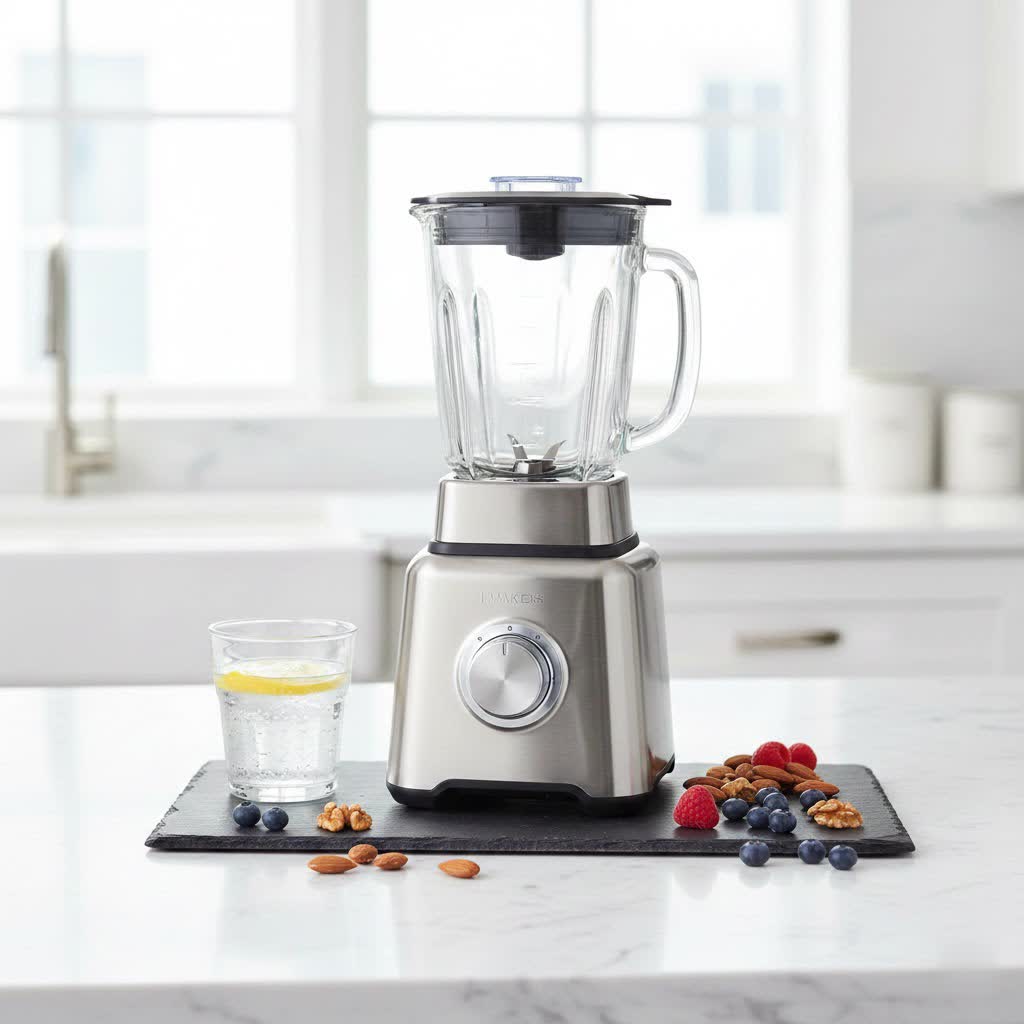
Overview of Blender and Food Processor Combos
At their core, blenders and food processors are both designed to break down ingredients. However, they excel at different tasks. A food blender, often characterized by its tall, narrow pitcher and powerful, fast-spinning blades, is engineered to create smooth, liquid-based textures. Think velvety soups, refreshing smoothies, and creamy sauces. Its design encourages a vortex action, pulling ingredients down into the blades for consistent liquefaction.
A food processor, on the other hand, typically features a wider, shallower bowl and a variety of interchangeable blades and discs. This design makes it ideal for handling solid or semi-solid ingredients, excelling at tasks such as chopping vegetables, slicing fruits, shredding cheese, kneading dough, and making dips like hummus. Food processors generally operate at slower speeds, providing more control over texture and preventing ingredients from becoming overly pureed.
A blender and food processor combo is a single appliance with a shared motor base that offers both functionalities. These innovative units come with interchangeable attachments – typically a blender pitcher and a food processor bowl with various blades and discs. This ingenious design allows you to switch seamlessly between blending a breakfast smoothie and preparing vegetables for dinner, all with one powerful motor. The concept has evolved from early blenders, which primarily served to mix beverages, into sophisticated multi-functional kitchen systems capable of handling a vast array of food preparation tasks.
Benefits of Using a Blender and Food Processor Combo
Integrating a combo appliance into your kitchen offers a myriad of advantages that can significantly enhance your cooking routine:
- Time and Effort Saving: Imagine preparing a multi-course meal with just one central appliance. Combo units drastically cut down on prep time, allowing you to quickly switch from chopping onions for a sauce to blending ingredients for a dressing without reaching for multiple tools. This efficiency means less time spent on mundane tasks and more time enjoying your culinary creations.
- Menu Versatility: With both blending and processing capabilities, your culinary horizons expand. You can effortlessly whip up a diverse range of dishes and drinks, from protein shakes, fresh fruit smoothies, and creamy vegetable soups to homemade nut butters, salsas, chopped salads, shredded cheeses, and even kneaded dough for breads and pastries. This versatility encourages experimentation and creativity in the kitchen.
- Enhanced Health Benefits: Preparing food from scratch often means consuming fresher, more nutritious meals. Combo appliances facilitate this by making it easier to process whole ingredients, create homemade dips free from additives, and incorporate more fruits and vegetables into your diet through smoothies and prepared salads.
- Space-Saving Design: One of the most compelling reasons to choose a combo unit is its ability to save precious kitchen counter and cabinet space. Instead of housing two bulky appliances, you have one compact base with interchangeable attachments, drastically reducing clutter and making your kitchen feel more organized.
- Cost-Effectiveness: Investing in a high-quality blender and a high-quality food processor separately can be a significant expense. Combo units often present a more budget-friendly alternative, providing comparable functionality at a lower overall cost than purchasing individual specialized machines.
Key Considerations When Choosing a Blender and Food Processor Combo
Selecting the right blender and food processor combo requires careful thought, as several factors can influence its performance and suitability for your kitchen needs.
Power and Speed
|
Our Picks for the Best Food Blender in 2026
As an Amazon Associate I earn from qualifying purchases.
|
||
| Num | Product | Action |
|---|---|---|
| 1 | Vitamix Ascent X5 Blender with 10 Blending Programs, Self-Cleaning Program, Professional-Grade Blender for Smoothies, Soups and More, Stainless-Steel Blades, 48 Oz Container, Brushed Stainless |

|
| 2 | Turelar Immersion Blender Handheld Corded Hand Blenders Set 1100W, Trigger Variable Speed 5 in 1 Stick Emulsifier with Chopper, Whisk and Frother for Soup, Baby Food and Smoothies |
|
| 3 | Vitamix Explorian E310 Blender, Professional-Grade Kitchen Blender for Smoothies, Soups, Juices and More, 10-Speed, Stainless Steel Blades, Self-Cleaning Kitchen Appliance, 48 Oz Container, Black |
|
| 4 | Ninja Mega Kitchen System, 1500W, 72 oz. Full-Size Blender & 8-Cup Food Processor with (2) 16 oz. Cups , Black, BL770 |
|
| 5 | Countertop Blender, 2000W High-Power Smoothie Blender with 68oz BPA-Free Jar, 28,000 RPM, Variable Speed & Pulse, 8-Blade Stainless Steel, Tamper Included, Quick Self-Cleaning, Dishwasher-Safe Jar |
|
| 6 | Ninja Fit Compact Personal Blender, Portable Blender for-Smoothies, Shakes, Food Prep, and Frozen Blending, 700-Watt Base, (2) 16-oz. Cups and Spout Lids, Black QB3001SS |
|
| 7 | BLACK+DECKER Countertop Blender with 6-Cup Glass Jar, 10-Speed Settings, Black, BL2010BG |
|
| 8 | BLACK+DECKER PowerCrush Multi-Function Blender with 6-Cup Glass Jar, 4 Speed Settings, Silver |
|
| 9 | Ninja Professional Blender 1000W, Total Crushing Technology- Smoothies, Ice Crushing & Frozen Fruit, Full-Size Countertop Blender, 72-oz. Pitcher, Black & Grey, BL610 |
|
| 10 | Hamilton Beach Power Elite Wave Action Blender For Smoothies, 40 Oz Glass Jar, 12 Functions Including Puree, Crush Ice, 700 Watts - Black (58148A) |
|
The motor’s wattage is a crucial indicator of an appliance’s strength. For heavy-duty tasks like crushing ice, blending tough frozen fruits, or kneading thick doughs, aim for a combo unit with at least 1000 watts. Models exceeding 1500 watts are considered professional-grade and can handle virtually any ingredient with ease. For lighter tasks such as chopping herbs or making vinaigrettes, a unit with around 600 watts may suffice. Multiple speed settings and a pulse function are also essential, offering precise control over the texture of your ingredients, from a coarse chop to a silky-smooth puree.
Jar and Bowl Material
The primary containers for both blending and processing typically come in plastic, glass, or Tritan.
- Glass bowls are durable, scratch-resistant, non-porous (preventing odor absorption), and often aesthetically pleasing, but they are heavier and more susceptible to breaking.
- Plastic (BPA-free) is lightweight and shatter-resistant, making it a practical choice for everyday use.
- Tritan plastic offers the best of both worlds – it’s as durable and clear as glass but as lightweight and shatterproof as plastic. Always ensure the material is BPA-free for food safety.
Blades and Discs
The effectiveness of your combo unit largely depends on the quality and design of its blades and discs.
- Blender blades are typically fixed at the bottom of the pitcher and are designed to create a powerful vortex for smooth blending. Some advanced blenders feature multi-level blades for more efficient blending, particularly with challenging ingredients.
- Food processor blades usually include an S-shaped chopping blade for mincing and pureeing, along with various interchangeable discs for slicing, shredding, and grating. Look for blades made from high-quality stainless steel or titanium for durability and sharpness.
Capacity
Consider the volume of food you typically prepare. Combo units come with varying capacities for both the blender pitcher and the food processor bowl.
- Blender pitchers often range from 48 ounces for personal use to 72 ounces or more for larger families and batch meal prep.
- Food processor bowls usually vary from 2-cup mini choppers to 12-14 cup large capacities. Choose a size that aligns with your household needs to avoid overfilling or having to process in multiple small batches.
Additional Features
Modern combo units often boast extra features that enhance convenience and safety.
- Safety features like automatic shut-off when overloaded or secure locking mechanisms are crucial, especially if you have children.
- Pre-set programs (e.g., “smoothie,” “crush,” “dough”) can simplify operation by automatically adjusting speed and duration, like Ninja’s Auto-iQ technology.
- Ease of cleaning is vital; look for models with detachable, dishwasher-safe parts and smooth surfaces that are easy to wipe down.
- Consider noise levels, as some powerful motors can be quite loud, which might be a factor if you live in an apartment or have early risers.
Brand and Price
Investing in a reputable brand often translates to better quality, durability, and customer support. Leading brands in the blender and food processor combo market include Ninja, Vitamix, Nutribullet, and Cuisinart. While prices vary, remember that value isn’t just about the initial cost; it includes performance, longevity, and warranty coverage. A slightly higher upfront investment in a durable, high-performing unit can save you money and frustration in the long run.
Popular Blender and Food Processor Combo Models
The market offers a range of excellent blender and food processor combos, each with unique strengths. Here are a few popular examples that exemplify versatility and performance:
- Ninja Professional Plus Kitchen System: This robust system is a favorite for its immense power (often 1400W+) and generous capacity, making it ideal for large families and meal preppers. It typically includes a large blender pitcher, a sizable food processor bowl, and often single-serve cups. Its Auto-iQ programs take the guesswork out of blending and processing. While powerful, some users note its larger footprint and higher noise levels.
- Nutribullet Triple Prep System: Known for its sleek design and powerful motor, the Nutribullet Triple Prep System offers a sophisticated blend of form and function. It often features a touchscreen interface and automatic vessel recognition. While excellent for blending and processing larger quantities, it might struggle with very small amounts of food.
- Vitamix Food Processor Attachment (for Ascent Series): For those who already own a Vitamix Ascent Series blender, this attachment is an ingenious way to expand its capabilities. It leverages the unmatched power and quality of the Vitamix motor base, providing a spacious food processor bowl with various blades for chopping, slicing, and shredding. This option is a premium choice, and while the attachment itself adds to the cost, it saves you from buying a completely separate food processor unit.
- Braun MultiQuick 9 Hand Blender with Attachments: This versatile option provides a compact, space-saving solution, particularly for smaller kitchens. As a hand blender, its motor base is small, but it comes with a range of attachments, including a whisk, masher, and a food processor bowl, transforming it into a multi-functional tool. It’s incredibly powerful for its size but requires a more hands-on approach compared to countertop models.
Essential Tips for Using and Maintaining Your Combo Appliance
To ensure your blender and food processor combo serves you reliably for years, proper usage and maintenance are key.
- Safe Operation: Always ensure the lids and attachments are securely locked in place before operating the appliance. Never overfill the containers, as this can strain the motor and lead to spills or uneven processing. Use the appropriate blade or disc for the task at hand, and always add liquids when blending to achieve optimal results and protect the motor.
- Cleaning: The golden rule for cleaning is to disassemble all removable parts immediately after use. Wash them with warm, soapy water. Many components are dishwasher-safe (check your manual, typically for the top rack). For the motor base, simply wipe it down with a damp cloth; never submerge it in water. Regular cleaning prevents food particles from drying and becoming stuck in crevices.
- Blade Care: Blades are the heart of your appliance’s performance. Clean them carefully with a soft brush, avoiding abrasive scrubbers that can dull their edges. Regularly inspect blades for signs of dullness or damage, and replace them if necessary. Dull blades force the motor to work harder, potentially shortening the appliance’s lifespan. Always dry blades completely before reassembly to prevent corrosion.
- Troubleshooting: If your motor struggles, check if the container is overfilled or if you’re processing overly tough ingredients without enough liquid. Uneven chopping often means you’re either overfilling the food processor bowl or need to use the pulse function more effectively for better control.
“A well-maintained kitchen appliance isn’t just a tool; it’s an investment in your culinary journey, offering precision and longevity that truly elevate your cooking.” – Reviewsela Admin, Food Appliance Expert
Conclusion
The blender and food processor combo stands as a testament to modern kitchen innovation, offering unparalleled versatility, convenience, and efficiency. By combining the liquid-blending prowess of a blender with the precise chopping and slicing capabilities of a food processor, these multi-functional machines truly optimize your kitchen space and cooking routine. From crafting healthy smoothies and nutrient-rich soups to preparing vibrant salsas and fresh doughs, a combo unit empowers you to explore a vast spectrum of culinary possibilities. Considering factors like power, capacity, attachments, and ease of cleaning will ensure you select the perfect appliance to meet your specific needs.
Ready to revolutionize your kitchen? Which culinary creation will you master first with your new combo appliance?
Frequently Asked Questions
Can a blender replace a food processor entirely?
While blenders and food processors share some functions like pureeing, they are not entirely interchangeable. Blenders excel at smooth liquids, while food processors are superior for chopping, slicing, shredding, and kneading drier, solid ingredients. A combo unit or attachment provides the best of both worlds.
What wattage is best for a blender food processor combo?
For general use, a combo unit with at least 600-800 watts is sufficient. However, for more demanding tasks like crushing ice, blending frozen fruits, or kneading thick doughs, a motor with 1000 watts or higher is highly recommended for optimal performance and durability.
Are blender food processor combos difficult to clean?
Many modern blender food processor combos are designed with ease of cleaning in mind, featuring detachable, dishwasher-safe parts. However, the motor base should always be wiped clean with a damp cloth, never submerged in water. Prompt cleaning after each use prevents food from drying and sticking.
What can I make in a combo unit?
A combo unit allows you to make a wide variety of items. In the blender pitcher, you can create smoothies, soups, sauces, and dressings. With the food processor bowl and attachments, you can chop vegetables, shred cheese, slice fruits, knead dough, and prepare dips like hummus or pesto, making it a true kitchen workhorse.
