In the fast-paced world of professional kitchens, efficiency and consistency are paramount. Every culinary establishment, from bustling restaurants to vibrant smoothie bars, relies on robust equipment to meet demanding operational needs. Among these essential tools, the commercial food blender stands out as a true workhorse. Far beyond the capabilities of a typical household appliance, a commercial food blender is engineered for heavy-duty, continuous use, effortlessly transforming ingredients and streamlining food preparation processes. It’s not just about blending; it’s about power, precision, and performance that can truly elevate your culinary creations and boost your business’s productivity.
Overview of Commercial Food Blenders
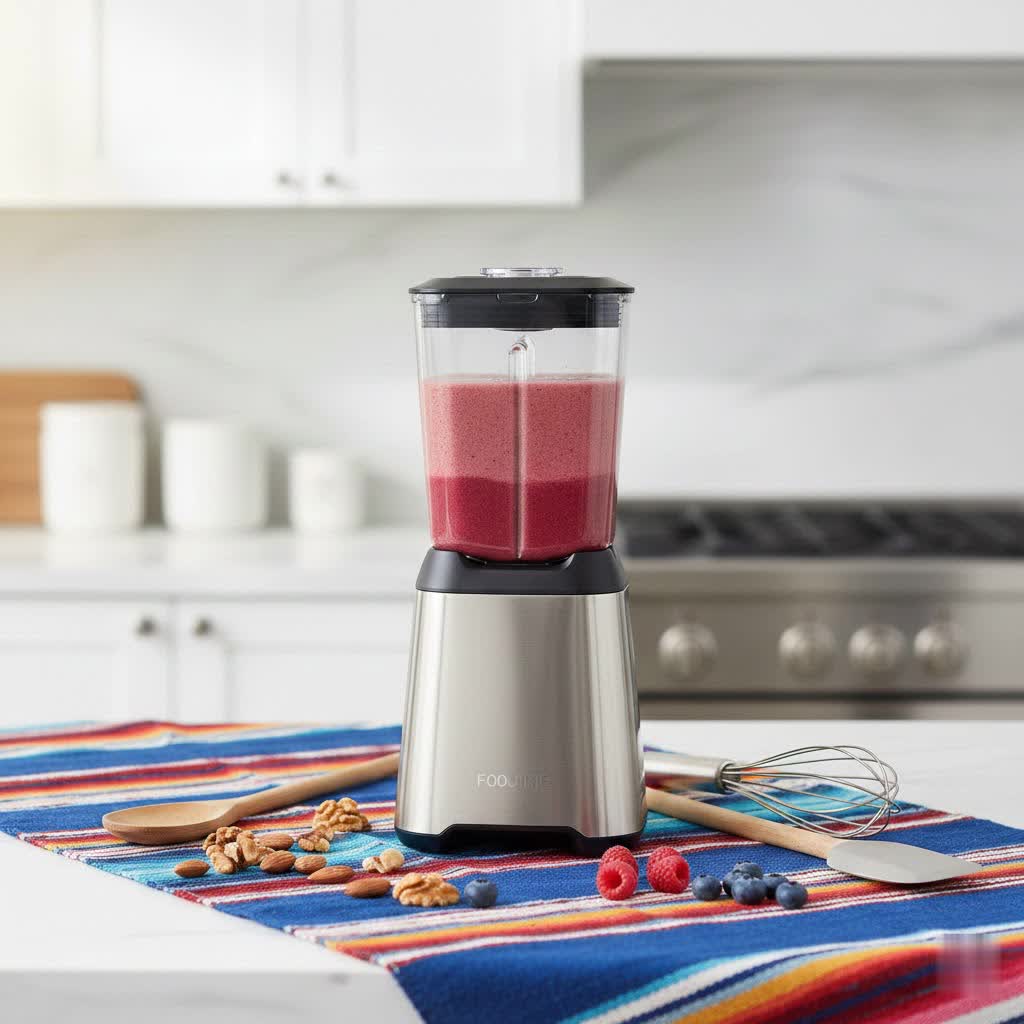
A commercial food blender is a high-performance, durable appliance specifically designed to withstand the rigorous demands of professional settings. Unlike their domestic counterparts, these blenders feature powerful motors, robust construction, and enhanced capabilities to process large quantities of ingredients, including tough items like ice, frozen fruits, and fibrous vegetables, without faltering. They are indispensable in professional kitchens for everything from crafting silky smooth purees and hearty soups to emulsifying sauces and mixing beverages.
The market offers several types of commercial food blenders, each tailored to specific operational needs:
- Food Blenders: These are the heavy-duty champions, built for continuous operation and designed to break down dense ingredients and liquids into consistent textures. They are ideal for high-volume food preparation tasks in restaurants and catering services.
- Bar Blenders (Beverage Blenders): Primarily found in bars and cafes, these blenders specialize in mixing drinks like cocktails, smoothies, and milkshakes, with a particular emphasis on efficiently crushing ice. Many models are designed with noise reduction features, making them suitable for front-of-house operations.
- Immersion Blenders (Stick Blenders): These handheld blenders feature a long shaft and a blade at the end, allowing chefs to blend ingredients directly in pots or containers. They are excellent for pureeing soups, sauces, and large batches of food, saving time and transfer effort.
- High-Performance Beverage Blenders: Offering more power than standard bar blenders, often 2 horsepower or more, these units are crucial for establishments with high-volume frozen drink demands.
- Specialty Blenders: This category includes innovative designs like heated blenders that can blend and cook simultaneously, and ice dispenser/blender combinations for streamlined frozen beverage production.
The history of blenders traces back to the early 20th century, but commercial models have seen significant advancements, evolving from basic mixing devices to sophisticated machines with advanced controls and specialized functions, perfectly adapted to the complexities of modern culinary arts.
Benefits of Using a Commercial Food Blender
Integrating a commercial food blender into your kitchen offers a myriad of advantages that directly impact efficiency, menu diversity, and overall product quality.
- Time and Labor Savings: Commercial blenders significantly reduce preparation time and manual effort. Their powerful motors and efficient blades can process ingredients in a fraction of the time it would take manually, freeing up staff for other critical tasks.
- Menu Versatility: With a commercial food blender, the possibilities for your menu expand dramatically. You can effortlessly create a wide range of dishes and beverages, including velvety soups, gourmet sauces, creamy purees, fresh fruit smoothies, frozen cocktails, nut butters, and even grind spices.
- Enhanced Food Quality and Consistency: These machines deliver consistent textures and emulsifications, ensuring that every batch meets your high standards. This consistency is vital for customer satisfaction and maintaining brand reputation.
- Increased Productivity: Designed for high-volume operations, commercial blenders can handle large batches of ingredients, allowing businesses to keep pace during peak hours and serve more customers without compromising quality or speed.
- Durability and Longevity: Built with robust materials and powerful components, commercial blenders are constructed to endure the daily wear and tear of a busy kitchen environment, offering a longer lifespan compared to consumer-grade models.
For instance, a busy smoothie shop can quickly turn out dozens of drinks during a morning rush, or a fine dining restaurant can prepare perfectly smooth consommé and sauces with unmatched consistency, all thanks to the power of a commercial food blender.
Important Criteria When Choosing a Commercial Food Blender (Buying Guide)
Selecting the right commercial food blender is a critical investment that can significantly impact your kitchen’s operations. Consider these key factors to ensure you choose a model that perfectly aligns with your business needs.
Power and Speed
|
Our Picks for the Best Food Blender in 2026
As an Amazon Associate I earn from qualifying purchases.
|
||
| Num | Product | Action |
|---|---|---|
| 1 | Ninja Fit Compact Personal Blender, Portable Blender for-Smoothies, Shakes, Food Prep, and Frozen Blending, 700-Watt Base, (2) 16-oz. Cups and Spout Lids, Black QB3001SS |

|
| 2 | Turelar Immersion Blender Handheld Corded Hand Blenders Set 1100W, Trigger Variable Speed 5 in 1 Stick Emulsifier with Chopper, Whisk and Frother for Soup, Baby Food and Smoothies |
|
| 3 | BLACK+DECKER Countertop Blender with 6-Cup Glass Jar, 10-Speed Settings, Black, BL2010BG |
|
| 4 | Vitamix Ascent X5 Blender with 10 Blending Programs, Self-Cleaning Program, Professional-Grade Blender for Smoothies, Soups and More, Stainless-Steel Blades, 48 Oz Container, Brushed Stainless |
|
| 5 | Ninja Mega Kitchen System, 1500W, 72 oz. Full-Size Blender & 8-Cup Food Processor with (2) 16 oz. Cups , Black, BL770 |
|
| 6 | Hamilton Beach Power Elite Wave Action Blender For Smoothies, 40 Oz Glass Jar, 12 Functions Including Puree, Crush Ice, 700 Watts - Black (58148A) |
|
| 7 | Countertop Blender, 2000W High-Power Smoothie Blender with 68oz BPA-Free Jar, 28,000 RPM, Variable Speed & Pulse, 8-Blade Stainless Steel, Tamper Included, Quick Self-Cleaning, Dishwasher-Safe Jar |
|
| 8 | Vitamix Explorian E310 Blender, Professional-Grade Kitchen Blender for Smoothies, Soups, Juices and More, 10-Speed, Stainless Steel Blades, Self-Cleaning Kitchen Appliance, 48 Oz Container, Black |
|
| 9 | Ninja Professional Blender 1000W, Total Crushing Technology- Smoothies, Ice Crushing & Frozen Fruit, Full-Size Countertop Blender, 72-oz. Pitcher, Black & Grey, BL610 |
|
| 10 | BLACK+DECKER PowerCrush Multi-Function Blender with 6-Cup Glass Jar, 4 Speed Settings, Silver |
|
The motor’s power is arguably the most crucial feature, especially when dealing with tough or frozen ingredients. Look for blenders with a minimum of 1.5-peak horsepower, with many heavy-duty commercial units offering 2-3 horsepower or 1000-2500 watts for superior performance. Higher wattage typically indicates more consistent power throughout the blending process, while peak horsepower highlights the initial burst of strength. Variable speed controls and a pulse function are invaluable, providing the flexibility to adjust blending intensity for various textures, from coarse chopping to ultra-smooth pureeing. High RPM (revolutions per minute), often 20,000 RPM and up, ensures finer and faster blending.
Jar Material
The blender jar needs to be durable and suitable for your specific applications:
- Stainless Steel: Highly durable, easy to clean, and excellent for retaining temperatures (hot or cold). However, its opacity means you can’t monitor the blending process visually.
- Polycarbonate: Virtually unbreakable and transparent, making it suitable for fast-paced environments. However, it may contain BPA and is generally not recommended for hot foods.
- Copolyester (e.g., Tritan): Offers a balance of durability and transparency. It’s resistant to impact, temperature changes, and acidic foods, making it a versatile choice.
- Glass: Ideal for aesthetic appeal in front-of-house or bar settings where visual presentation is important, but it is more fragile than other materials.
Blades
The quality and design of the blades are central to blending efficiency. High-quality stainless steel or titanium blades are essential for durability and sharpness. Different blade configurations are optimized for specific tasks, such as ice crushing, wet blending, or heavy-duty processing. Always look for robust, well-designed blades that can withstand continuous use without dulling quickly.
Capacity
The capacity of the blender jar should directly correspond to your operational volume. Smaller jars (32-44 ounces) might suffice for individual portions or light use. However, for high-volume kitchens, larger capacities (1.9 liters or more, up to 128 ounces for beverage blenders, and even 832 ounces for food blenders) allow for substantial batch processing, enhancing efficiency. Stackable jars are a practical feature for businesses needing multiple containers and aiming to save storage space.
Additional Features
Modern commercial blenders come with a host of features designed to enhance usability and safety:
- Programmable Settings: Pre-programmed cycles for common tasks (e.g., smoothies, soups, purees) ensure consistent results and simplify operation for staff.
- Noise Reduction: For front-of-house applications, blenders with sound enclosures or noise-dampening technology are crucial to maintain a pleasant customer environment.
- Safety Features: Look for automatic shut-off mechanisms for overheating, secure lid interlocks, and vacuum-release valves to prevent accidents during operation.
- Ease of Cleaning: Models with easily detachable, dishwasher-safe components and self-cleaning functions can significantly reduce cleanup time and maintain hygiene standards.
Brand and Price
Reputable brands such as Vitamix, Waring, Blendtec, Hamilton Beach, Breville, and AvaMix are well-known for their durable and high-performing commercial food blenders. While commercial blenders represent a significant investment, it’s crucial to balance the upfront cost with the long-term return on investment (ROI), considering factors like warranty, customer support, and the blender’s expected lifespan. Opting for NSF-certified models ensures they meet strict public health and safety standards.
Comparison of Popular Commercial Food Blender Models
Choosing the best commercial food blender often involves weighing the specific features and benefits of top-tier models against your unique operational demands. Here’s a comparative overview of some popular options, highlighting their strengths:
| Feature/Model | Waring CB15T | Vitamix “The Quiet One” | Blendtec Stealth 885 | AvaMix BX2100E2J | Breville Commercial CBL920 Super Q Pro |
|---|---|---|---|---|---|
| Motor Power | 3.75 HP (peak) | 3 HP (peak) | 3.8 HP (peak) | 3.5 HP (peak) | 2.4 HP (peak) |
| Jar Material | Stainless Steel | BPA-Free Copolyester | BPA-Free Copolyester | BPA-Free Copolyester | BPA-Free Copolyester |
| Capacity | 1 Gallon (128 oz) | 48 oz, 64 oz | 90 oz | 64 oz | 68 oz (large jug) |
| Speed Settings | 3 speeds + Pulse, Slow Start | Variable Speed + 6 Optimized Programs | Variable Speed + 42 Preprogrammed Cycles | 3 speeds (15,000-26,000 RPM) + Timer | Variable Speed + 5 One-Touch Programs |
| Noise Level | Moderate, noted for quiet operation | Exceptionally Quiet (Sound Enclosure) | Very Quiet (Sound Enclosure) | Moderate | Moderate |
| Key Features | Heavy-duty, durable stainless jar, Slow Start | Advanced noise reduction, consistent performance | Stealth technology, durable, versatile | Budget-friendly, powerful, simple controls | High-speed, powerful, versatile |
| Best For | Overall heavy-duty blending, large batches | Front-of-house blending, noise-sensitive areas | High-volume cafes, smoothies, diverse menu | Budget-conscious, multi-purpose tasks | Juice and smoothie bars, high-speed blending |
| Pros | Robust, large capacity, durable | Near-silent operation, consistent | Ultra-quiet, extensive preset options | Powerful for the price, simple to use | High blade tip speed, versatile |
| Cons | Can be pricey, stainless jar is opaque | Expensive | Premium price | Lacks advanced features | Can be expensive |
This table provides a snapshot, but deeper dives into specific models reveal nuances in design, user interface, and specialized applications.
Top 5 Commercial Food Blenders Preferred Today
Based on performance, durability, and user feedback, here are some of the most highly-regarded commercial food blenders:
- Waring CB15T: This powerhouse stands out for its robust 3.75 horsepower motor and a capacious 1-gallon stainless steel container. It features three speed settings plus a pulse function, complemented by a unique Slow Start blending mechanism that efficiently breaks down larger food items before blending, ensuring smooth and consistent results. Its heavy-duty construction and easy-to-clean base make it a top choice for overall commercial blending in high-volume environments.
- Vitamix “The Quiet One”: As its name suggests, this Vitamix model is celebrated for its exceptional noise reduction technology, making it ideal for front-of-house operations where maintaining a quiet ambiance is crucial. It delivers Vitamix’s legendary blending performance, offering variable speed controls and programmable settings for consistent quality in beverages and food preparations.
- Blendtec Stealth 885: Renowned for its unparalleled stealth technology, this blender operates at an incredibly low noise level thanks to its advanced sound enclosure. With a powerful 3.8 horsepower motor and 42 preprogrammed cycles, it’s a versatile workhorse for cafes, smoothie shops, and restaurants needing to prepare a wide array of items quietly and efficiently.
- Vitamix Professional Series 750: Combining power with smart technology, the Vitamix 750 features a 2.2 peak horsepower motor capable of handling tough ingredients with ease. It includes five pre-programmed settings for smoothies, hot soups, frozen desserts, purees, and self-cleaning, offering unmatched convenience and consistent results for busy kitchens.
- AvaMix BX2100E2J: For businesses seeking powerful performance without a hefty price tag, the AvaMix BX2100E2J is an excellent budget-friendly option. It boasts a robust 3.5 horsepower motor and intuitive touchpad controls for blending by time and speed. This multi-purpose blender is capable of making everything from cocktails to spreads and dressings, offering reliable performance for various kitchen tasks.
Each of these blenders offers distinct advantages, catering to different operational scales and specific menu requirements.
How to Use and Maintain Your Commercial Food Blender Correctly
Proper usage and consistent maintenance are key to maximizing the lifespan and performance of your commercial food blender, ensuring it remains a reliable asset in your kitchen for years to come.
Safe and Effective Usage
- Read the Manual: Always consult the manufacturer’s manual for specific operating instructions and safety guidelines for your model.
- Secure the Lid: Ensure the lid is tightly secured before operating the blender to prevent spills and potential injuries.
- Start Low, Go High: Begin blending at a low speed, then gradually increase to higher speeds as needed. This reduces strain on the motor and helps break down ingredients more effectively.
- Avoid Overloading: Do not fill the blender jar beyond its maximum capacity. Overloading can strain the motor, lead to inefficient blending, and cause spills.
- No Utensils While Running: Never use spoons or other utensils inside the blender while it’s operating. Always unplug the unit before adding or removing ingredients manually.
Cleaning and Storage for Longevity
Regular cleaning is paramount for hygiene and preventing residue buildup that can affect performance.
- Unplug Before Cleaning: Always unplug the blender from the power source before disassembling or cleaning.
- Immediate Rinse: After each use, quickly rinse the blender jar and blades under hot water to prevent food from drying and hardening.
- Soapy Water Wash: Fill the jar halfway with warm, soapy water, secure the lid, and blend on a low setting for 30 seconds to loosen residue. Then, scrub the jar and blades gently with a soft sponge or brush.
- Deep Cleaning: Perform a weekly deep clean using a vinegar solution (equal parts water and white vinegar) or a baking soda paste for stubborn stains and odors. Some models allow for a bleach solution rinse for sanitization, followed by thorough rinsing.
- Dry Completely: Ensure all parts are thoroughly air-dried before reassembling or storing to prevent mold and bacterial growth.
- Proper Storage: Store the blender in a cool, dry place. If storing for extended periods, remove the blade assembly and apply a light coat of food-grade silicone to seals and gaskets to maintain their integrity.
- Inspect Regularly: Routinely inspect blades for sharpness, nicks, or cracks, and check the container for any damage. Replace worn or damaged parts promptly.
Common Issues and Troubleshooting
- Unusual Noises/Vibrations: This can indicate motor or blade inspection is needed. Check for loose connections or worn blades.
- Leaks: A leaking blender often points to an issue with the blade assembly seal. Ensure it’s properly seated and free of damage.
- Overheating: If the blender stops or smells like it’s overheating, check for overloading or obstructed cooling vents. Allow the motor to cool down.
- Inconsistent Blending: Dull or damaged blades can cause this. Regular inspection and replacement are crucial for optimal performance.
> “Investing in a quality commercial blender is not just about the initial purchase; it’s about committing to a maintenance routine that ensures peak performance and extends the life of your essential kitchen workhorse for years to come.” – Chef Elena Rodriguez, Head of Operations at FlavorFusion Catering
Conclusion
The commercial food blender is an indispensable asset in any professional kitchen, offering the power, durability, and versatility required to meet the demanding pace of modern food service. By understanding the different types, key buying criteria, and proper maintenance practices, you can make an informed decision that will significantly enhance your culinary operations. From speeding up food preparation to expanding your menu and ensuring consistent quality, the right commercial food blender empowers chefs and business owners alike. Investing in this crucial appliance means investing in efficiency, innovation, and ultimately, your business’s success. What exciting new dishes will you create with the power of a commercial food blender at your fingertips?
Frequently Asked Questions
What makes a blender “commercial” compared to a household one?
Commercial blenders are built with more powerful motors (typically 1.5-3+ HP), heavier-duty components, larger capacities, and are designed for continuous, high-volume use in professional settings. They prioritize durability, efficiency, and consistent performance under rigorous conditions, unlike residential models made for occasional use.
How much motor power does a commercial blender need for milkshakes?
For milkshakes, which often include ice cream and frozen fruits, a commercial blender with motor power between 1000 and 2500 watts (or 2-3 horsepower) is generally recommended. This power level ensures smooth blending, prevents motor burnout, and handles tough, frozen ingredients efficiently.
Can a commercial smoothie blender be used for other food items?
Absolutely. While optimized for smoothies, a good commercial smoothie blender is versatile enough for many other tasks, including making soups, sauces, purees, nut butters, and even grinding coffee beans. Thorough cleaning between uses is essential to prevent flavor transfer.
How often should I clean my commercial blender?
For optimal hygiene and performance, it is best to clean your commercial blender after every use to prevent residue buildup and bacteria growth. A weekly deep cleaning with food-safe sanitizer is also recommended, along with monthly inspections of blades and seals.
What are the main types of commercial blenders?
The main types of commercial blenders include food blenders (for dense ingredients), bar blenders (for drinks and ice), and immersion blenders (handheld for blending directly in pots). Some categorize high-performance beverage blenders and specialty blenders separately.
