In the modern kitchen, the food blender machine stands as a testament to culinary evolution, transforming laborious food preparation into a seamless and enjoyable process. With over a decade of firsthand experience witnessing the remarkable advancements in blending technology, from basic models to sophisticated multi-functional units, it’s clear that the right blender can revolutionize your cooking. This comprehensive guide aims to demystify the world of food blenders, helping you navigate the myriad options to find the perfect appliance that aligns with your lifestyle, culinary ambitions, and budget, ultimately making your kitchen tasks easier and more exciting.
What is a Food Blender Machine?
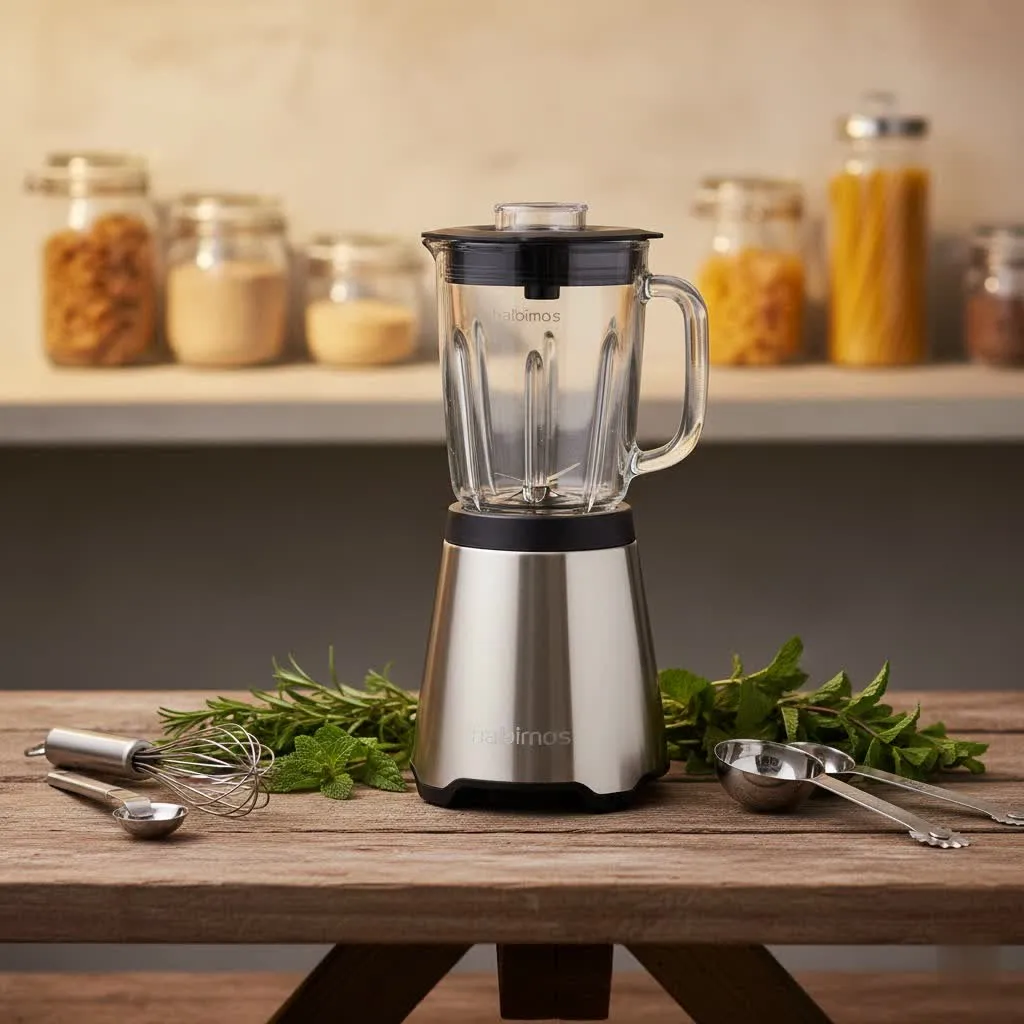
A food blender machine is an indispensable kitchen appliance designed primarily to combine, emulsify, or liquefy food ingredients. Utilizing rapidly rotating blades at the base of a container, it creates a vortex that draws ingredients down, resulting in a smooth and consistent mixture. While often grouped with food processors, blenders serve a distinct purpose. Blenders excel at producing pourable consistencies, making them ideal for smoothies, creamy soups, and sauces. Historically, the blender’s journey began in the early 20th century, with significant innovations in motor power and blade design leading to the diverse range of machines available today, catering to every imaginable blending need.
> “A good blender doesn’t just mix; it transforms. It unlocks flavors and textures that are simply impossible to achieve by hand, offering a new dimension to home cooking.” – Kitchen Appliance Expert
Types of Food Blender Machines
The world of food blenders is rich with variety, each type designed with specific uses and user preferences in mind. Understanding these categories is the first step in identifying your ideal kitchen companion.
- Countertop Blenders: These are the classic, full-sized blenders found in most kitchens. They consist of a motorized base and a removable jar, offering versatility for a wide array of tasks, from crushing ice and blending fruits for smoothies to pureeing soups and making batters. They come in various capacities and power levels, making them a general-purpose choice for families.
- Personal Blenders: Compact and convenient, personal blenders are designed for single servings. Ingredients are blended directly in a portable cup that often doubles as a drinking vessel, making them perfect for busy individuals seeking quick smoothies or protein shakes on the go. While typically less powerful than countertop models, their ease of use and minimal cleanup are significant advantages.
- Immersion Blenders (Hand Blenders): Also known as stick or hand blenders, these handheld devices are unique because they are submerged directly into food containers, pots, or bowls. They are excellent for pureeing hot soups directly in the pot, making sauces, or whipping cream without transferring ingredients, offering unparalleled convenience and easy storage.
- High-Performance Blenders: Stepping up in power and precision, high-performance blenders are engineered to handle tougher ingredients with ease. With robust motors (often 1000 watts or more) and advanced blade designs, they can effortlessly pulverize nuts into butter, blend fibrous greens into perfectly smooth concoctions, and even create friction-heated soups. These are an investment for serious cooks who demand superior results and durability.
- Commercial Blenders: While primarily for professional settings, commercial-grade blenders are worth mentioning for their sheer power and capacity. Built for continuous, heavy-duty use, they can process large volumes of ingredients quickly and efficiently, showcasing the pinnacle of blending technology.
The Benefits of Owning a Food Blender Machine
Integrating a food blender machine into your kitchen arsenal brings a wealth of advantages, enhancing both your culinary capabilities and your daily routine.
- Time and Effort Saving: Blenders dramatically cut down on meal prep time. Tasks that once required meticulous chopping, mashing, or whisking can be accomplished in seconds. Imagine whipping up a batch of pesto or a smooth vegetable puree with just the press of a button, freeing up valuable time for other activities.
- Culinary Versatility: A blender opens up a world of culinary possibilities. From invigorating morning smoothies and creamy milkshakes to sophisticated sauces, decadent desserts, and homemade baby food, the applications are nearly endless. You can easily diversify your menu with new recipes and experiment with different textures and flavors.
- Health and Nutrition: Blenders make it simple to incorporate more fruits, vegetables, and nutrient-dense ingredients into your diet. Creating fresh juices, green smoothies, or nutrient-packed soups allows you to consume whole foods in an easily digestible form, boosting your overall health and well-being. For instance, a high-performance blender can break down cell walls in fibrous vegetables, making nutrients more bioavailable.
- Specific Examples: With a good food blender, you can effortlessly prepare:
- Energizing Smoothies: Blend fresh fruits, leafy greens, protein powder, and liquids for a nutritious breakfast or snack.
- Velvety Soups: Puree cooked vegetables into smooth, restaurant-quality soups directly in the blender or with an immersion blender.
- Homemade Nut Butters: Transform roasted nuts into creamy, spreadable butter free from added sugars and oils.
- Fresh Sauces and Dips: Create pestos, salsas, hummus, and salad dressings with perfect consistency.
- Frozen Desserts: Whip up sorbets, nice creams, and frozen yogurts using frozen fruits.
Essential Factors When Choosing a Food Blender Machine (Buying Guide)
Selecting the right food blender machine requires careful consideration of several key features. A thoughtful approach ensures your investment matches your specific needs and expectations.
Power and Speed
The motor’s power, typically measured in watts (W) or horsepower (HP), is a critical indicator of a blender’s capability. Higher wattage generally means more blending muscle, essential for processing tough ingredients.
- Power for Your Needs: For basic tasks like blending soft fruits and liquids into smoothies or light sauces, a blender with 300-600 watts may suffice. However, if your culinary adventures involve crushing ice, grinding nuts, or tackling fibrous vegetables like kale, look for models with 1000 watts or more. High-performance blenders often boast 1200-1600+ watts to ensure smooth results without stalling.
- Variable Speeds and Preset Programs: Versatility is key. Blenders with multiple speed settings (ranging from 3 to 12 or more) provide greater control over texture, allowing for everything from a coarse chop to a silky smooth puree. A “pulse” function is invaluable for short bursts of power, ideal for chopping or preventing over-processing. Many modern blenders also feature preset programs for common tasks like “smoothie,” “ice crush,” or “soup,” taking the guesswork out of blending.
|
Our Picks for the Best Food Blender in 2026
As an Amazon Associate I earn from qualifying purchases.
|
||
| Num | Product | Action |
|---|---|---|
| 1 | Ninja Mega Kitchen System, 1500W, 72 oz. Full-Size Blender & 8-Cup Food Processor with (2) 16 oz. Cups , Black, BL770 |

|
| 2 | Ninja Professional Blender 1000W, Total Crushing Technology- Smoothies, Ice Crushing & Frozen Fruit, Full-Size Countertop Blender, 72-oz. Pitcher, Black & Grey, BL610 |
|
| 3 | Vitamix Ascent X5 Blender with 10 Blending Programs, Self-Cleaning Program, Professional-Grade Blender for Smoothies, Soups and More, Stainless-Steel Blades, 48 Oz Container, Brushed Stainless |
|
| 4 | Hamilton Beach Power Elite Wave Action Blender For Smoothies, 40 Oz Glass Jar, 12 Functions Including Puree, Crush Ice, 700 Watts - Black (58148A) |
|
| 5 | Countertop Blender, 2000W High-Power Smoothie Blender with 68oz BPA-Free Jar, 28,000 RPM, Variable Speed & Pulse, 8-Blade Stainless Steel, Tamper Included, Quick Self-Cleaning, Dishwasher-Safe Jar |
|
| 6 | Turelar Immersion Blender Handheld Corded Hand Blenders Set 1100W, Trigger Variable Speed 5 in 1 Stick Emulsifier with Chopper, Whisk and Frother for Soup, Baby Food and Smoothies |
|
| 7 | BLACK+DECKER Countertop Blender with 6-Cup Glass Jar, 10-Speed Settings, Black, BL2010BG |
|
| 8 | Ninja Fit Compact Personal Blender, Portable Blender for-Smoothies, Shakes, Food Prep, and Frozen Blending, 700-Watt Base, (2) 16-oz. Cups and Spout Lids, Black QB3001SS |
|
| 9 | Vitamix Explorian E310 Blender, Professional-Grade Kitchen Blender for Smoothies, Soups, Juices and More, 10-Speed, Stainless Steel Blades, Self-Cleaning Kitchen Appliance, 48 Oz Container, Black |
|
| 10 | BLACK+DECKER PowerCrush Multi-Function Blender with 6-Cup Glass Jar, 4 Speed Settings, Silver |
|
Jar Material and Capacity
The blender jar, or pitcher, is where the magic happens. Its material and size significantly impact durability, functionality, and ease of cleaning.
- Common Jar Materials:
- Glass: Offers a classic look, is durable, scratch-resistant, and won’t absorb odors or stains. However, it’s heavier and prone to shattering if dropped.
- Plastic (Polycarbonate, Tritan): Lighter, shatterproof, and often more affordable. High-quality BPA-free plastics like Tritan are very durable and resistant to impact and chemicals. Some plastics may absorb odors or stain over time, especially with acidic or colored ingredients.
- Stainless Steel: Extremely durable and ideal for commercial use or specific tasks where temperature retention is desired. It’s opaque, so you can’t see the blending process.
- Matching Capacity to Household Needs: Consider how many servings you typically prepare. Personal blenders usually have small cups (16-24 oz) for single servings. Full-sized countertop blenders range from 48 oz to 64 oz, suitable for families. Larger models can reach 90 oz or more, perfect for meal prepping or entertaining.
Blade Design and Durability
The blades are the heart of the blender’s cutting power. Their material and design are crucial for efficient and consistent blending.
- Blade Material: Most high-quality blender blades are crafted from stainless steel, known for its sharpness, durability, and resistance to rust and corrosion. Some premium blades may also feature titanium coatings for enhanced hardness and longevity.
- Design for Efficiency: The design of the blades (e.g., number of prongs, angles, serrations) impacts how effectively they can break down different ingredients. A robust, multi-pronged blade assembly is essential for crushing ice and pulverizing tough ingredients. Fixed blades are less prone to leakage but can be harder to clean, while removable blades offer easier, thorough cleaning, though care must be taken during reassembly to prevent leaks.
Additional Features and Safety
Modern food blenders often come equipped with extra features that enhance convenience and safety.
- Convenience Features:
- Self-cleaning function: Many blenders have a self-clean cycle that uses water and a drop of soap to clean the jar with minimal effort.
- Tamper: A tamper is a tool used to push down ingredients towards the blades, especially useful for thick mixtures like nut butters or frozen desserts, without stopping the motor.
- Vented lids: Crucial for blending hot liquids like soups, allowing steam to escape safely and preventing pressure buildup.
- Smart technology/Timers: Some advanced models include programmable timers or smart features that detect jar size and adjust blending settings automatically.
- Safety Mechanisms: Look for features like automatic shut-off when overloaded, interlocking safety systems that prevent operation if the jar or lid isn’t properly secured, and non-slip bases for stability on countertops.
Brand Reputation and Price Range
The market offers blenders across a broad spectrum of brands and price points. Researching reputable brands can provide assurance of quality and customer support.
- Trusted Brands: Companies like Vitamix, Ninja, Cuisinart, Nutribullet, and KitchenAid are widely recognized for their reliable and innovative food blenders. Each brand often specializes in certain segments, from high-performance machines to personal blenders.
- Budget Considerations: Blender prices can range from under $50 for basic personal blenders to over $600 for high-end, professional-grade models. Decide on a budget that reflects your anticipated usage and desired features. Investing in a quality blender often pays off in durability and superior performance over time.
Comparing Food Blender Categories
When choosing a food blender, comparing the different categories against your needs is essential. Each type offers a unique balance of features, power, and convenience.
- Countertop Blenders are the all-rounders, best suited for families or individuals who need a versatile machine for various tasks. They generally offer more power and larger capacities than personal blenders, making them ideal for batch processing. However, they require dedicated counter or storage space.
- Personal Blenders prioritize convenience and speed for single servings. Their compact size is perfect for small kitchens or those on the go, making smoothies directly in a cup. They typically have less power and are not designed for heavy-duty tasks, but excel at their specific purpose.
- Immersion Blenders shine in their ability to blend directly in the cooking vessel. This saves on dishwashing and is perfect for pureeing hot soups without transferring. They are highly portable and space-saving, but their power is often lower than countertop models, and they are not ideal for crushing ice or large volumes.
- High-Performance Blenders are for the discerning chef or health enthusiast who demands exceptional power, durability, and versatility. They can handle virtually any ingredient, producing ultra-smooth results for complex recipes. While they come with a higher price tag and can be bulkier, their long lifespan and superior performance often justify the investment.
Finding Your Ideal Food Blender: Popular Choices
While specific product recommendations are dynamic, certain types of blenders and the brands behind them consistently impress users for their quality and performance across different needs.
For those seeking raw power and unparalleled durability for everything from green smoothies to hot soups and nut butters, high-performance models from brands like Vitamix and Blendtec are frequently highlighted. These blenders often feature robust motors and advanced blade systems capable of tackling the toughest ingredients with ease.
If convenience for daily single-serving smoothies and shakes is paramount, personal blenders from Nutribullet or Ninja are often recommended. These compact units are designed for quick blending directly in a travel cup, simplifying your morning routine and cleanup.
For versatility without occupying excessive counter space, a multi-functional kitchen system from Cuisinart or Ninja, which often combines blending and food processing capabilities, stands out. These systems can handle a broader range of tasks, offering interchangeable attachments for blending, chopping, slicing, and shredding, making them excellent value for diverse kitchen needs.
Moreover, many home cooks appreciate the robust and user-friendly experience offered by reliable countertop blenders from KitchenAid and Oster, which strike a good balance between power, capacity, and affordability for everyday use.
Maximizing Your Blender’s Lifespan: Usage and Maintenance Tips
Proper usage and diligent maintenance are key to ensuring your food blender machine provides years of reliable service.
- Pre-Blending Preparation:
- Layer Ingredients Correctly: Always add liquids first, followed by softer ingredients (like leafy greens, yogurt), then harder ingredients (fruits, vegetables), and finally frozen items or ice on top. This helps the blades create a proper vortex and prevents motor strain.
- Cut Food into Smaller Chunks: Large pieces of fruit, hard vegetables, or dense ingredients should be cut into smaller, manageable chunks (about 1-inch) to facilitate smoother blending and reduce stress on the motor and blades.
- Avoid Overloading: Never fill the blender jar beyond its maximum capacity line. Overloading can lead to inefficient blending, motor overheating, and potential damage.
- Cleaning Best Practices:
- Clean Immediately After Use: The most effective way to clean your blender is right after use, before food residue dries and hardens.
- Quick Rinse: For light blending, a quick rinse with warm water is often enough.
- Soap and Water Cycle: For more thorough cleaning, fill the jar halfway with warm water and a drop of dish soap. Blend on low speed for 30 seconds, or use the “self-clean” preset if available, then rinse thoroughly.
- Disassemble and Air Dry: For jars with removable blades, disassemble all parts (jar, blades, lid, gasket) and wash them individually with warm, soapy water. Allow all components to air dry completely before reassembling to prevent mold and odors.
- Wipe the Base: Clean the motor base with a damp cloth; never immerse it in water.
- Safe Operation:
- Secure the Lid: Always ensure the lid is properly secured before starting the blender to prevent spills and accidents.
- Do Not Run Empty: Running the blender with an empty jar can wear down the motor and dull the blades prematurely.
- Give Breaks: If blending for extended periods or processing very tough ingredients, give the motor short breaks to cool down and prevent overheating.
- Unplug After Use: Always unplug the blender from the power outlet when not in use or during cleaning to ensure safety and save energy.
- Storage: Store your blender in a clean, dry place. For optimal air circulation and to prevent odors, consider storing the jar without the lid or slightly ajar. Avoid wrapping the cord too tightly around the base, as this can damage the wiring over time.
Conclusion
Choosing the right food blender machine is a pivotal decision for any home cook looking to enhance their kitchen efficiency and culinary repertoire. By understanding the diverse types available—from versatile countertop models and convenient personal blenders to powerful high-performance machines and practical immersion blenders—you can make an informed choice that perfectly suits your needs. Considering factors such as power, jar material, blade design, and additional features will guide you towards a quality appliance. With proper usage and consistent maintenance, your food blender will not only save you time and effort but also unlock a world of delicious, nutritious possibilities. What exciting new recipes will you create with your perfect blend?
Frequently Asked Questions
What is the main difference between a food blender and a food processor?
A food blender primarily focuses on liquefying and creating smooth consistencies for items like smoothies and soups, using blades at the bottom of a tall jar. A food processor, on the other hand, is designed for chopping, slicing, shredding, and kneading, often with wider bowls and various interchangeable discs and blades for drier, more solid tasks.
Can I put hot liquids in my food blender?
Many modern food blenders, especially high-performance and some countertop models, are designed to handle hot liquids, often featuring vented lids to release steam and prevent pressure buildup. Always check your blender’s manual to confirm if it’s safe for hot liquids, and never fill it to the very top when blending hot ingredients.
How often should I clean my blender blades?
For optimal hygiene and performance, you should clean your blender blades immediately after every use. This prevents food residue from drying and hardening, which can be difficult to remove and may harbor bacteria. A quick rinse or a self-cleaning cycle with warm water and dish soap is usually sufficient.
Is a higher wattage blender always better?
While a higher wattage generally indicates a more powerful motor capable of blending tougher ingredients like ice and nuts more effectively, it’s not the only factor. Blade design, jar shape, and overall construction also play a significant role in a blender’s efficiency. A well-designed 1000-watt blender might outperform a less optimized 1200-watt model for certain tasks.
How can I make my blender last longer?
To extend your blender’s lifespan, always use it according to the manufacturer’s instructions. Avoid overloading, ensure the lid is secure, layer ingredients correctly (liquids first), and clean it promptly after each use. Giving the motor short breaks during heavy-duty blending and storing it properly in a dry place also contribute to its longevity.
