The modern culinary landscape demands speed, precision, and consistency, especially in high-volume settings like restaurants, cafes, and food manufacturing facilities. At the heart of this efficiency often lies a powerful yet unsung hero: the industrial food blender. Far beyond the capabilities of a domestic appliance, these heavy-duty machines are engineered to tackle demanding tasks, transform ingredients, and streamline operations, making kitchen work both easier and more exciting.
What Exactly is an Industrial Food Blender?
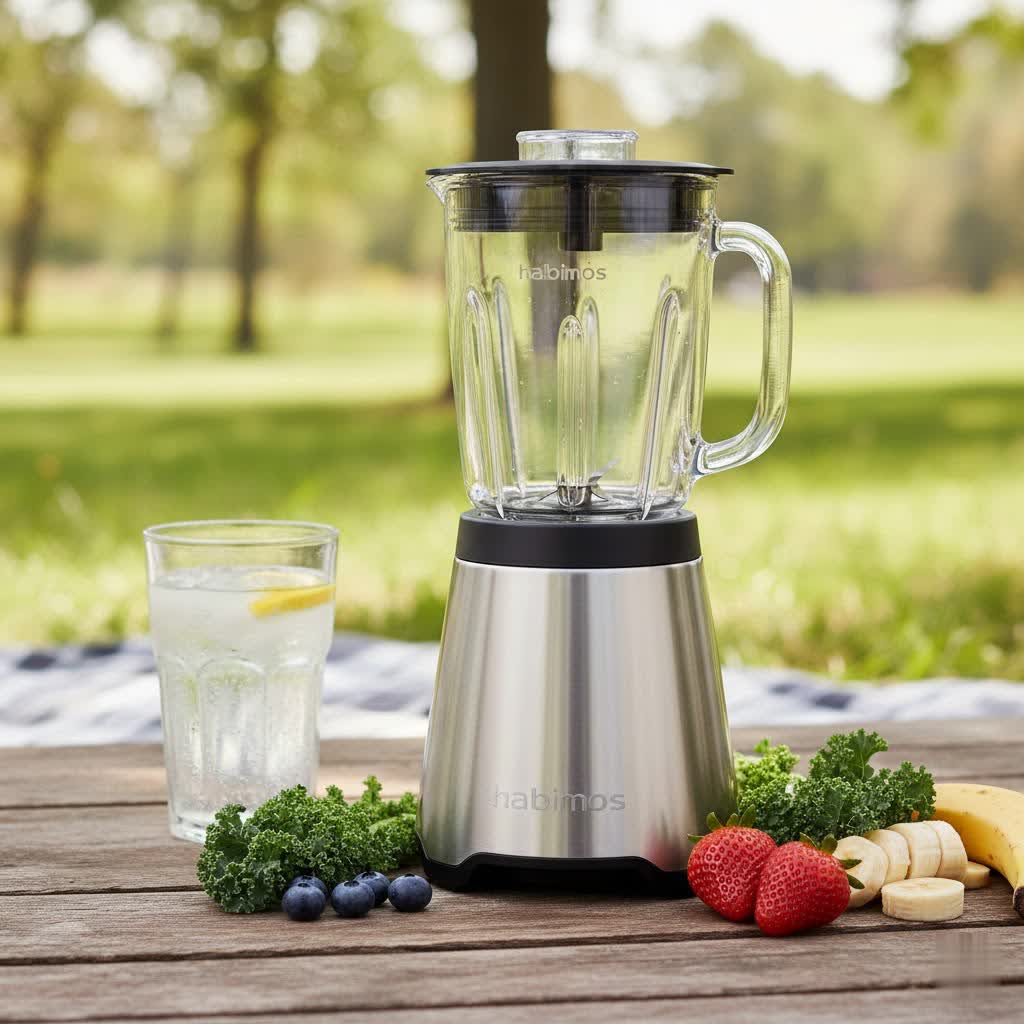
An industrial food blender is a robust, large-scale appliance specifically designed for commercial or industrial environments. Unlike standard household blenders, these machines are built to mix, blend, emulsify, and homogenize substantial quantities of ingredients with exceptional power and durability. They are indispensable in settings ranging from bustling restaurant kitchens to large-scale food processing plants, handling everything from delicate sauces to fibrous vegetables and solid ice.
Typically constructed from high-quality materials such as stainless steel for hygiene and longevity, industrial food blenders feature powerful motors and heavy-duty blades. They often include advanced controls for precise operation, ensuring consistent results batch after batch.
Common Types of Industrial Food Blenders
While the term “industrial food blender” can encompass a wide range, several types are prevalent in professional food preparation:
- Countertop Food Blenders: These are the most recognizable type, found in many commercial kitchens. They are designed for general-purpose blending, pureeing fruits and vegetables, and creating smooth textures for liquids. They typically feature larger jars and more powerful motors than their household counterparts.
- Immersion Blenders (Stick Blenders): Handheld with a long shaft and blade at the end, immersion blenders allow chefs to blend ingredients directly within large pots or containers. They are perfect for preparing significant volumes of soups, sauces, and purees without needing to transfer hot liquids.
- Bar Blenders: Specifically engineered for beverage preparation, these blenders excel at crushing ice and blending frozen drinks, smoothies, and cocktails efficiently in high-traffic bars and cafes.
- High-Performance Blenders: Characterized by motors of 2 horsepower (HP) or more, these blenders are the workhorses of commercial kitchens. They are capable of processing the toughest ingredients, such as nuts, grains, and frozen fruits, into ultra-smooth consistencies, often featuring pre-programmed settings for ease of use.
- Culinary Blenders: Similar to high-performance blenders, culinary blenders offer enhanced variable speed control. This allows for meticulous adjustment of blending intensity, crucial for delicate preparations like refined sauces or processing hot ingredients safely.
- Specialized Industrial Mixers: For larger manufacturing and processing applications, blenders can include designs like ribbon blenders (ideal for dry powders and pastes), paddle blenders (for gentle mixing and slurries), and V-shaped blenders (for free-flowing powders), often used in industrial-scale food production beyond a typical kitchen counter.
|
Our Picks for the Best Food Blender in 2026
As an Amazon Associate I earn from qualifying purchases.
|
||
| Num | Product | Action |
|---|---|---|
| 1 | Ninja Fit Compact Personal Blender, Portable Blender for-Smoothies, Shakes, Food Prep, and Frozen Blending, 700-Watt Base, (2) 16-oz. Cups and Spout Lids, Black QB3001SS |

|
| 2 | Hamilton Beach Power Elite Wave Action Blender For Smoothies, 40 Oz Glass Jar, 12 Functions Including Puree, Crush Ice, 700 Watts - Black (58148A) |
|
| 3 | Ninja Professional Blender 1000W, Total Crushing Technology- Smoothies, Ice Crushing & Frozen Fruit, Full-Size Countertop Blender, 72-oz. Pitcher, Black & Grey, BL610 |
|
| 4 | Vitamix Ascent X5 Blender with 10 Blending Programs, Self-Cleaning Program, Professional-Grade Blender for Smoothies, Soups and More, Stainless-Steel Blades, 48 Oz Container, Brushed Stainless |
|
| 5 | BLACK+DECKER PowerCrush Multi-Function Blender with 6-Cup Glass Jar, 4 Speed Settings, Silver |
|
| 6 | BLACK+DECKER Countertop Blender with 6-Cup Glass Jar, 10-Speed Settings, Black, BL2010BG |
|
| 7 | Ninja Mega Kitchen System, 1500W, 72 oz. Full-Size Blender & 8-Cup Food Processor with (2) 16 oz. Cups , Black, BL770 |
|
| 8 | Countertop Blender, 2000W High-Power Smoothie Blender with 68oz BPA-Free Jar, 28,000 RPM, Variable Speed & Pulse, 8-Blade Stainless Steel, Tamper Included, Quick Self-Cleaning, Dishwasher-Safe Jar |
|
| 9 | Turelar Immersion Blender Handheld Corded Hand Blenders Set 1100W, Trigger Variable Speed 5 in 1 Stick Emulsifier with Chopper, Whisk and Frother for Soup, Baby Food and Smoothies |
|
| 10 | Vitamix Explorian E310 Blender, Professional-Grade Kitchen Blender for Smoothies, Soups, Juices and More, 10-Speed, Stainless Steel Blades, Self-Cleaning Kitchen Appliance, 48 Oz Container, Black |
|
Unlocking Efficiency: Benefits of Using an Industrial Food Blender
Investing in a commercial-grade food blender offers a multitude of advantages for any professional operation:
- Significant Time and Labor Savings: Industrial blenders can process large quantities of ingredients rapidly, dramatically reducing food preparation time. Tasks that might take minutes with a standard blender can be completed in seconds, leading to faster service and reduced labor costs.
- Unmatched Versatility: These machines are incredibly adaptable, capable of handling a diverse array of ingredients—from the toughest frozen produce and ice to delicate herbs and liquids. They can produce everything from silky smooth purees and hearty soups to refreshing smoothies, robust sauces, and perfectly emulsified dressings.
- Guaranteed Consistency: In a professional setting, consistency is paramount for customer satisfaction and brand reputation. An industrial blender ensures that every batch of a recipe turns out with the same texture and quality, thanks to its powerful motor, sharp blades, and precise controls.
- Exceptional Durability and Longevity: Built for continuous, heavy-duty use, industrial blenders feature robust construction and high-quality components designed to withstand the rigors of a busy kitchen. This translates to fewer breakdowns, reduced maintenance, and a longer operational lifespan compared to consumer-grade models.
- Increased Processing Capacity: With larger jar capacities and more powerful motors, industrial blenders enable businesses to prepare bigger batches of food and beverages at once, meeting high-volume demands efficiently and without compromising quality.
- Expanded Menu Capabilities: The power and versatility of an industrial food blender empower chefs and operators to experiment with a wider range of ingredients and culinary techniques, fostering innovation and enhancing menu offerings.
Key Criteria for Selecting the Right Industrial Food Blender
Choosing an industrial food blender is a critical decision that impacts kitchen efficiency, product quality, and long-term operational costs. Consider these essential factors:
Power and Speed (Motor)
The motor’s power is perhaps the most crucial factor. For blending dense or frozen ingredients like ice, root vegetables, or nut butters, a blender with at least 1000 watts is recommended. High-volume operations or those dealing with exceptionally tough blends should look for models rated at 1500 watts or higher, often reaching up to 3500 watts. High RPM (revolutions per minute), frequently exceeding 20,000 RPM, signifies faster and smoother blending. Many advanced models include variable speed controls and pre-set programs, allowing for precise texture management and consistent results.
Capacity
The size of the blending container (jar or vessel) should align with your operational volume. For bustling commercial kitchens, jars with a capacity of 1.9 liters (64 ounces) or more are often favored for blending substantial quantities in one go. Smaller capacities (0.9 to 1.3 liters) can be suitable for individual portions or smaller, specialized batches. Industrial processing blenders can range significantly, from 25 to 5000 gallons for large-scale production.
Jar Material
The material of the blending jar affects durability, safety, and suitability for different ingredients:
- Stainless Steel: Extremely durable and easy to clean, though opaque.
- Polycarbonate/Tritan: Shatter-resistant, BPA-free plastics that can withstand heat, cold, and impact, making them a popular choice for commercial use.
- Glass: Offers excellent transparency for presentation but is less durable and prone to breakage in demanding commercial environments.
- Copolyester: Resilient enough to handle heat and acidic ingredients effectively.
Blades
High-quality blades are essential for efficient blending. Stainless steel blades are preferred for their durability, corrosion resistance, and ability to tackle tough ingredients and crush ice effectively. The design of the blades also plays a role in blending efficiency and the type of action (e.g., lifting, folding, cross-blending). Look for models with metal gear couplings, which are significantly more robust and long-lasting than plastic alternatives.
Noise Level
For blenders used in front-of-house areas, such as cafes or juice bars, noise levels are a significant consideration. Some high-performance blenders feature sound enclosures or advanced dampening technology to minimize operational noise, creating a more pleasant environment for staff and customers alike.
Safety Features
Safety is paramount in any commercial kitchen. Look for blenders with secure locking mechanisms to prevent accidental spills or injuries, overload protection to safeguard the motor, and automatic shut-off features. Larger industrial units may also include vacuum-release valves to protect against rupture or implosion during strong vacuum operations.
Ease of Use and Cleaning
A good industrial food blender should be straightforward to operate, even for new staff. Features like intuitive controls, easy-to-remove jars and blades, and smooth interiors with large radius corners (especially in industrial vessels) facilitate quick and thorough cleaning, which is crucial for hygiene and efficiency.
Brand Reputation and Price
Established brands often offer better durability, performance, and comprehensive warranties. While initial investment might be higher, a reliable blender from a reputable manufacturer typically results in lower long-term costs due to less downtime and fewer repairs. Researching reviews and comparing features across different brands is highly recommended.
Leading Brands in Industrial Food Blenders
The market for industrial food blenders features several renowned brands known for their innovation, durability, and performance. Here’s a brief overview of some top contenders:
- Vitamix: A globally acclaimed brand, Vitamix is synonymous with high-performance blending. Their commercial lines, like the Vitamix Commercial XL or The Quiet One, are celebrated for their powerful motors (often 2.2 HP to 4.2 HP), advanced controls, and ability to produce exceptionally smooth results for a wide array of applications, from smoothies and purees to frozen desserts.
- Blendtec: Known for combining power with convenience, Blendtec offers industrial blenders like the Connoisseur 825™ and the Stealth 885. These models boast robust motors (e.g., 1800 watts), numerous pre-programmed cycles, and innovative sound enclosures that significantly reduce operational noise, making them ideal for high-volume, customer-facing environments.
- Hamilton Beach Commercial: With a long history, Hamilton Beach provides dependable and durable commercial blenders. Their models are often praised for their balance of performance, affordability, and features like wave-action jar designs and quiet operation, suitable for various bar and food service needs.
- Waring Commercial: Specializing in professional appliances, Waring blenders offer a host of automated features and robust construction. Their commercial blenders are designed for busy restaurants, providing power and capacity for heavy daily use.
- Apuro: This brand offers an extensive selection of high-quality industrial blenders, often featuring powerful motors and variable speed ranges suitable for diverse commercial kitchen tasks, including immersion blenders for large batches.
- Omcan: With a history spanning several decades, Omcan manufactures a range of commercial blenders, often recognized for their robust motors and ability to handle the rigors of high-volume kitchens efficiently.
Proper Usage and Maintenance for Longevity
To maximize the performance and lifespan of your industrial food blender, proper usage and diligent maintenance are essential.
Safe and Efficient Operation
Always follow the manufacturer’s instructions for safe operation. Ensure the lid is securely fastened before blending, especially when processing hot liquids. Avoid overfilling the blender jar beyond its maximum capacity to prevent spills and motor strain. When blending tough ingredients, start at a lower speed and gradually increase it, using pulse functions to break down larger pieces before continuous blending. For hot ingredients, ensure there’s a vent for steam release if the lid design permits, or use a culinary blender with appropriate variable speed control.
Cleaning and Preservation
Regular cleaning is crucial for hygiene and preventing food residue buildup, which can affect performance and introduce odors. For busy kitchens, daily cleaning of the jar, blades, and motor base is recommended. Most commercial blender jars are designed for easy disassembly, allowing thorough cleaning of all components. Stainless steel parts should be cleaned with non-abrasive detergents to maintain their finish. Routinely inspect the blades for sharpness and the motor performance. Any signs of dullness or unusual sounds should be addressed promptly to avoid further damage.
Troubleshooting Common Issues
Many common blender issues can be resolved with simple steps. If the blender isn’t powering on, check the power connection and circuit breaker. Overheating can often be prevented by avoiding overloading the blender and allowing short breaks during prolonged blending of very thick mixtures. Inconsistent blending might indicate dull blades, insufficient liquid, or incorrect speed settings. For persistent issues, consulting the manufacturer’s manual or a certified technician is advisable.
Conclusion
The industrial food blender is more than just an appliance; it’s a strategic investment for any business committed to culinary excellence and operational efficiency. From enhancing menu versatility and ensuring consistent quality to dramatically saving time and labor, the benefits are undeniable. By carefully considering factors such as power, capacity, jar material, and safety features, and by prioritizing reputable brands, you can select a heavy-duty blender that perfectly aligns with your specific needs. Regular maintenance will ensure your chosen machine remains a reliable cornerstone of your professional kitchen for years to come.
What culinary creations will your next industrial food blender empower you to achieve?
Frequently Asked Questions
How often should an industrial food blender be professionally serviced?
While daily cleaning and user maintenance are vital, professional servicing is generally recommended annually or semi-annually, depending on the intensity of use. This helps ensure optimal performance, identifies potential wear and tear, and prevents major breakdowns, extending the blender’s lifespan.
Can industrial food blenders effectively crush large quantities of ice?
Yes, high-performance industrial food blenders are specifically designed with powerful motors (often 2 HP or more) and robust, sharp stainless steel blades to efficiently crush large quantities of ice, making them indispensable for bars and beverage-focused establishments.
What is the typical lifespan of an industrial food blender compared to a household model?
Industrial food blenders are built for continuous, heavy-duty use and can last significantly longer than household models, often many years, with proper maintenance. Their durable construction, higher-grade components, and powerful motors are engineered for sustained commercial demands.
Are there energy-efficient industrial food blender options available?
Absolutely. Many modern industrial food blenders are designed with energy efficiency in mind, optimizing power usage while maintaining high performance. Look for models from reputable brands that highlight energy-saving features, which can contribute to lower operating costs over time.
Is it safe to blend hot ingredients in an industrial food blender?
Most industrial food blenders can handle hot ingredients, but it’s crucial to use caution. Never fill the jar to the brim with hot liquids, and ensure the lid has a venting mechanism or remove the center cap to allow steam to escape and prevent pressure buildup. Culinary blenders with variable speed control are often ideal for this task.
How do I know what capacity industrial food blender I need for my business?
Assess your average and peak daily blending volume. For small batches or individual portions, a 0.9-1.3 liter jar might suffice. However, for most commercial kitchens or beverage-heavy operations, a 1.9 liter (64 oz) jar or larger is typically more efficient to handle demand and reduce batch frequency.
